Exploring the Nuances of Pigeon by Farrow & Ball
Farrow & Ball has long been synonymous with exquisitely crafted colors, and “Pigeon” is a prime example of their dedication to capturing subtle, evocative shades. This isn’t just another gray; it’s a complex, chameleon-like hue that shifts with the light, blending green and gray in a way that feels both calming and sophisticated. We’ll dive deep into what makes Pigeon so special, from its historical inspiration and color characteristics to practical application and styling tips, helping you understand how to best incorporate this versatile color into your home.
The beauty of Pigeon lies in its understated elegance. It’s a color born from a desire to mimic the soft, muted tones found in nature – think of the gentle gray-green of a dove’s plumage, hence the name. Farrow & Ball’s meticulous approach to color creation, using traditional methods and natural pigments, ensures that Pigeon possesses a depth and richness rarely found in mass-produced paints.
Understanding this heritage is key to appreciating its full potential.
Introduction to Pigeon by Farrow & Ball
Pigeon. It’s a color that consistently draws attention, sparking curiosity and a desire to understand its subtle complexities. Farrow & Ball, a name synonymous with quality and heritage in the world of paint, has cultivated a reputation for creating colors that are both timeless and deeply evocative. This isn’t just about mixing pigments; it’s about capturing a feeling, a mood, a specific moment in time.
Understanding Pigeon requires understanding the philosophy behind Farrow & Ball itself.Farrow & Ball’s story began in the 1940s, founded by John Farrow and Thomas Ball. Their approach was revolutionary for the time: they rejected mass production techniques, opting instead for small-batch manufacturing using traditional methods. This meant using natural pigments, often sourced from around the world, and formulating paints with a high level of pigment concentration.
The result is a depth of color and a unique chalkiness that’s characteristic of Farrow & Ball paints. They prioritize authenticity, meticulously recreating historical colors and developing new shades inspired by the British landscape and architecture. Their color creation process is deeply rooted in observation and a desire to capture the nuances of light and shadow.The inspiration for Pigeon is rooted in the soft, muted tones of the English countryside, specifically the subtle grey-green hues found in the plumage of pigeons.
It’s a color intended to evoke a sense of calm, quiet sophistication, and understated elegance. Think of a misty morning, the gentle light filtering through leaves, or the weathered stone of an old country house. It’s not a bold statement; it’s a quiet confidence.Pigeon is a complex grey-green, leaning towards a muted, almost greige tone. It possesses subtle green undertones that prevent it from feeling cold or sterile, while the grey base grounds it and adds a touch of sophistication.
Its saturation is relatively low, contributing to its calming effect. Overall, it feels incredibly versatile – it can be both warm and cool depending on the light and surrounding colors.Here’s a table outlining Pigeon and some complementary Farrow & Ball colors:
| Color Name | Hex Code | LRV (Light Reflectance Value) |
|---|---|---|
| Pigeon (No. 25) | #A9B7BD | 46 |
| Mizzle (No. 227) | #B9C2B9 | 52 |
| Green Smoke (No. 242) | #9D9E8B | 43 |
| Purbeck Stone (No. 223) | #C3B091 | 55 |
Color Palette & Complementary Shades
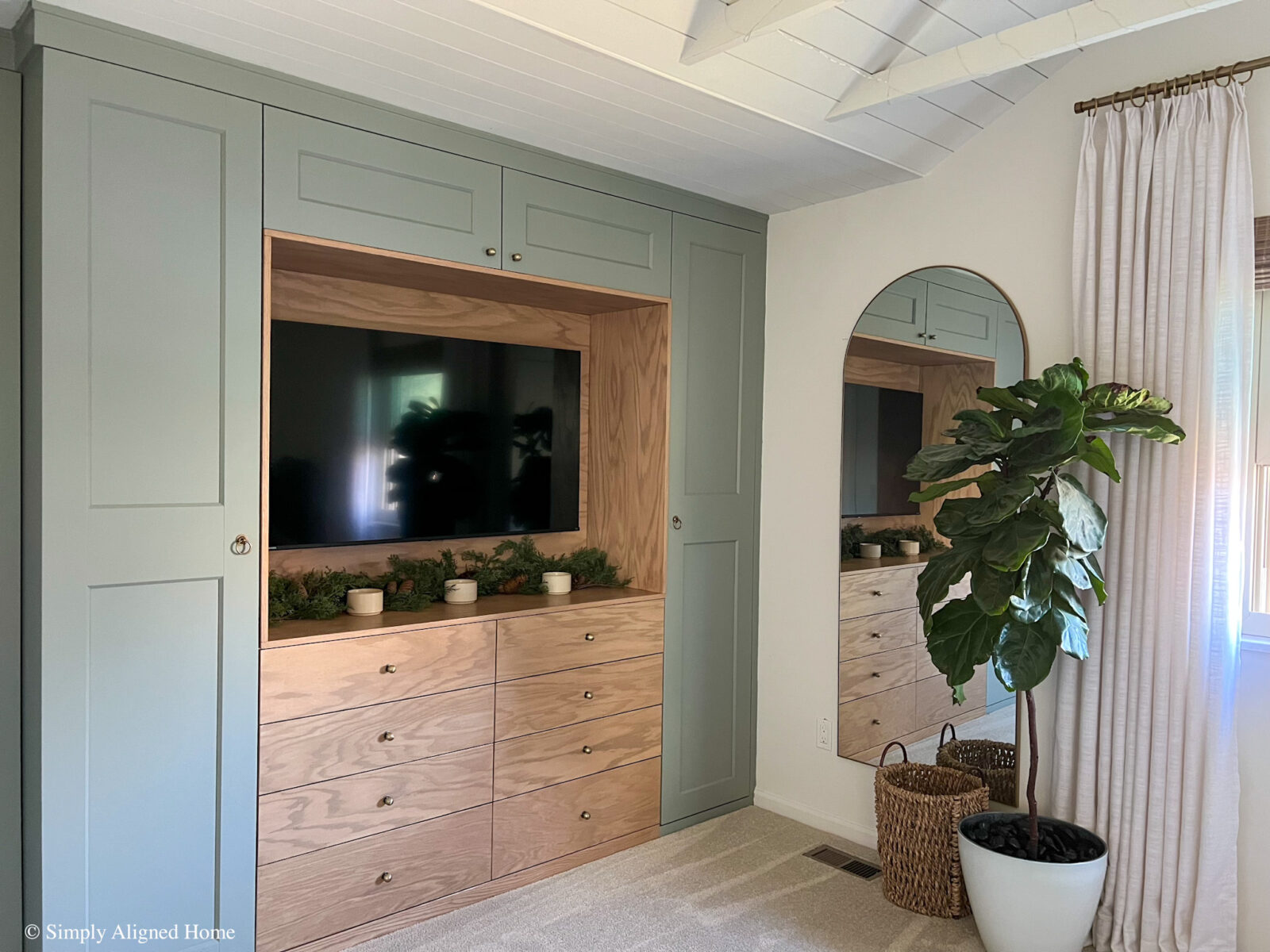
Source: simplyalignedhome.com
Pigeon’s beauty lies in its ability to harmonize with a wide range of colors within the Farrow & Ball palette. It’s a remarkably adaptable shade, acting as a bridge between cooler and warmer tones. Its muted nature means it doesn’t overpower other colors, instead, it enhances and balances them. Understanding how Pigeon interacts with other shades is key to creating a cohesive and visually appealing design scheme.To illustrate this, here are five color combinations featuring Pigeon, each designed to achieve a specific mood:
- Calming Bedroom: Pigeon paired with Calluna (No. 244) creates a serene and restful atmosphere. Calluna’s soft lilac undertones complement Pigeon’s grey-green, fostering a sense of tranquility and relaxation.
- Vibrant Kitchen: Combining Pigeon with Incarnadine (No. 207) offers a surprising yet effective contrast. Incarnadine’s rich red adds warmth and energy to the space, preventing Pigeon from feeling too subdued.
- Elegant Dining Room: Pigeon and Ammonite (No. 227) create a sophisticated and timeless look. Ammonite’s warm grey provides a grounding contrast, while still maintaining a sense of understated elegance.
- Cozy Living Room: Pairing Pigeon with Sulking Room Pink (No. 223) creates a surprisingly inviting and warm space. The pink adds a touch of unexpected softness and charm.
- Fresh Bathroom: Pigeon combined with Cromarty (No. 220) offers a clean and refreshing feel. Cromarty’s pale blue undertones enhance the sense of space and light.
Contrasting colors with Pigeon can create a striking visual impact. Deeper, richer tones like Hague Blue (No. 30) or Railings (No. 28) provide a dramatic contrast, highlighting Pigeon’s muted nature. Lighter, brighter shades like Wimborne White (No.
239) can create a fresh and airy feel, emphasizing Pigeon’s versatility.Imagine a mood board centered around Pigeon. The dominant color would, of course, be Pigeon itself, applied to walls. Textures would be key: think linen fabrics in natural tones, weathered wood furniture, and perhaps a touch of antique brass hardware. Materials would include natural stone, such as slate or limestone, and soft wool rugs.
The overall aesthetic would be one of understated elegance, blending rustic charm with modern sophistication. The feeling is one of quiet luxury, a space that feels both comfortable and refined.
Applications of Pigeon in Interior Design
Pigeon’s versatility makes it suitable for a wide range of rooms within a house. Its calming nature makes it particularly well-suited for spaces where relaxation is key, but it can also be used to add a touch of sophistication to more dynamic areas.Here are some specific examples:
- Living Room: Pigeon on the walls creates a calming backdrop for a comfortable seating area. Pair it with natural wood furniture, linen upholstery, and soft lighting to enhance the sense of relaxation.
- Bedroom: Pigeon is an ideal choice for a bedroom, promoting a restful and peaceful atmosphere. Use it on all walls or as an accent color on a feature wall.
- Kitchen: Pigeon cabinetry can add a touch of understated elegance to a kitchen. Combine it with Carrara marble countertops and brass hardware for a classic look.
- Bathroom: Pigeon on the walls of a bathroom creates a spa-like atmosphere. Pair it with white tiles and natural wood accents for a clean and refreshing feel.
The effect of Pigeon varies depending on the architectural style of the space. In Victorian homes, Pigeon can enhance the period details, creating a sense of timeless elegance. In modern homes, it adds a touch of warmth and character, preventing the space from feeling too stark. In Scandinavian-inspired interiors, Pigeon complements the minimalist aesthetic, adding a subtle touch of color without overwhelming the space.Lighting significantly impacts the appearance of Pigeon.
Under natural light, its green undertones become more apparent, creating a fresher, more vibrant feel. Under artificial light, the grey tones tend to dominate, resulting in a more muted and sophisticated look. It’s crucial to observe Pigeon in different lighting conditions before committing to a full room.Here’s a table outlining suggested uses for Pigeon:
| Room Type | Finish Type | Suggested Use | Justification |
|---|---|---|---|
| Living Room | Estate Emulsion | Walls | Provides a calming and versatile backdrop. |
| Bedroom | Modern Emulsion | Feature Wall | Creates a focal point while maintaining a restful atmosphere. |
| Kitchen | Estate Eggshell | Cabinets | Durable and easy to clean, while still showcasing the color’s depth. |
| Bathroom | Full Gloss | Trim | Provides a durable and moisture-resistant finish. |
Finishes & Textures with Pigeon
Farrow & Ball offers a range of finishes, each impacting the color’s depth and reflectivity differently. Understanding these nuances is crucial for achieving the desired effect.
- Estate Emulsion: This is Farrow & Ball’s most popular finish, known for its chalky, matte appearance. It provides excellent coverage and a beautiful depth of color.
- Modern Emulsion: A slightly more durable finish than Estate Emulsion, with a subtle sheen. It’s ideal for high-traffic areas and offers a more contemporary look.
- Estate Eggshell: This finish offers a subtle sheen, providing a touch more durability than Estate Emulsion while still retaining a soft, velvety appearance.
- Full Gloss: The most durable and reflective finish, ideal for trim and doors. It creates a striking contrast and is easy to clean.
The choice of finish directly impacts the color’s depth and reflectivity. Matte finishes like Estate Emulsion absorb light, creating a more muted and atmospheric feel. Glossier finishes like Full Gloss reflect light, making the color appear brighter and more vibrant.Each finish is suitable for different areas of the home. Estate Emulsion is perfect for bedrooms and living rooms, where a calming atmosphere is desired.
Modern Emulsion is a good choice for hallways and kitchens, where durability is important. Estate Eggshell is versatile and can be used in most rooms. Full Gloss is best reserved for trim and doors, where a durable and easy-to-clean finish is needed.Achieving a distressed or aged look with Pigeon is relatively straightforward. After applying Pigeon, lightly sand the surface with fine-grit sandpaper to create a worn effect.
Then, apply a thin coat of a complementary color, such as Purbeck Stone, over the sanded areas. Gently wipe away the excess color, leaving behind a subtle, aged patina.
Pigeon in Different Lighting Conditions
Pigeon’s appearance is heavily influenced by the surrounding light. North-facing rooms, which receive indirect and often cooler light, tend to emphasize Pigeon’s grey undertones, resulting in a more muted and subdued feel. South-facing rooms, which receive warmer and brighter light, bring out the green undertones, creating a fresher and more vibrant look.Warm lighting, such as incandescent bulbs, enhances the warmth of Pigeon, making it feel more inviting and cozy.
Cool lighting, such as LED bulbs, can make it appear slightly cooler and more austere.The time of day also affects the appearance of Pigeon. In the morning, when the light is soft and diffused, it appears more muted and calming. In the afternoon, when the light is stronger and warmer, the green undertones become more apparent. As evening approaches, the color deepens and becomes more atmospheric.
Throughout a 24-hour cycle, Pigeon undergoes a subtle yet captivating transformation. Bathed in the cool, diffused light of a north-facing room at dawn, it presents a quiet, almost silvery grey. As the day progresses and sunlight streams through, a gentle green emerges, softening the edges and adding a touch of vibrancy. Under the warm glow of artificial light in the evening, the grey returns, deepened and enriched, creating a sense of intimacy and tranquility. Finally, in the darkness, Pigeon recedes, becoming a shadowy presence, hinting at the subtle complexities that lie beneath.
Styling & Decorating with Pigeon
Incorporating Pigeon into a room’s design scheme requires careful consideration of the overall aesthetic. It’s a versatile color that can be adapted to a variety of styles, but it works particularly well in spaces that prioritize comfort and sophistication.Furniture and accessories that complement Pigeon well include:
- Wood Tones: Warm wood tones, such as oak or walnut, create a natural and inviting contrast.
- Metal Finishes: Antique brass or brushed nickel hardware adds a touch of elegance and sophistication.
- Textiles: Linen, wool, and velvet fabrics in neutral tones or soft colors enhance the color’s calming effect.
Pigeon can be used as either an accent color or a dominant color. As an accent color, it can add a touch of sophistication to a neutral space. As a dominant color, it creates a calming and cohesive atmosphere.Here are three room vignettes featuring Pigeon, each with a distinct style:
- Coastal: A living room with Pigeon walls, white linen sofas, and driftwood accents. A jute rug and seashell accessories complete the look, evoking a sense of relaxed coastal charm.
- Industrial: A bedroom with Pigeon walls, exposed brick accents, and metal bed frame. Leather upholstery and Edison bulb lighting add an edgy, industrial touch.
- Traditional: A dining room with Pigeon walls, a dark wood table, and antique china. Velvet curtains and ornate chandeliers create a sense of timeless elegance.
Pigeon and its Psychological Impact
Color psychology suggests that Pigeon is likely to evoke feelings of calmness, serenity, and sophistication. Its muted nature and subtle green undertones contribute to a sense of tranquility and balance. It’s a color that promotes relaxation and reduces stress, making it ideal for spaces where you want to unwind and recharge.The color’s muted nature is key to its psychological impact.
It doesn’t demand attention; instead, it creates a sense of quiet confidence and understated elegance. This allows the space to feel both comfortable and refined.Pigeon can be used to create a cozy and inviting atmosphere by pairing it with warm textures and soft lighting. The combination of the color’s calming effect and the warmth of the surrounding elements creates a space that feels both welcoming and relaxing.Here are five adjectives that best describe the feeling of a room painted in Pigeon:
- Calm
- Sophisticated
- Serene
- Understated
- Inviting
Practical Considerations & Preparation
Preparing a surface for painting with Pigeon is crucial for achieving a professional-looking finish. Proper preparation ensures that the paint adheres correctly and the color appears as intended.The steps involved include:
- Cleaning the surface to remove any dirt, dust, or grease.
- Repairing any cracks or holes with filler.
- Sanding the surface to create a smooth and even base.
- Applying a primer to seal the surface and improve paint adhesion.
Recommended tools and equipment for applying Farrow & Ball paint include:
- High-quality paintbrushes (natural bristle for Estate Emulsion, synthetic for Modern Emulsion)
- Paint rollers with short pile
- Paint trays
- Masking tape
- Drop cloths
Testing a color sample before committing to a full room is essential. Paint a small area of the wall and observe it under different lighting conditions to ensure that you’re happy with the color.Here are the essential steps for a professional-looking paint job using Pigeon:
- Prepare the surface thoroughly.
- Apply a coat of primer.
- Allow the primer to dry completely.
- Apply the first coat of Pigeon, using long, even strokes.
- Allow the first coat to dry completely.
- Apply a second coat of Pigeon, ensuring even coverage.
- Clean your brushes and rollers immediately after use.
Pigeon vs. Similar Farrow & Ball Colors
While Pigeon is a unique shade, it shares similarities with other grey-green hues within the Farrow & Ball collection. Comparing it to these colors can help you determine which shade is best suited for your specific needs.
- Mizzle (No. 227): Mizzle is a lighter and airier grey-green than Pigeon, with a more pronounced blue undertone. It feels fresher and more contemporary.
- Green Smoke (No. 242): Green Smoke is a deeper and more saturated grey-green than Pigeon, with a stronger green presence. It’s more dramatic and moody.
The key differences lie in the undertones and overall appearance. Pigeon is more muted and balanced, while Mizzle is lighter and bluer, and Green Smoke is darker and greener.Here’s a table summarizing the comparison:
| Color Name | Key Characteristics | Best Use Case |
|---|---|---|
| Pigeon (No. 25) | Muted, balanced grey-green, versatile | Living rooms, bedrooms, hallways |
| Mizzle (No. 227) | Lighter, airier, blue undertones | Bathrooms, kitchens, modern interiors |
| Green Smoke (No. 242) | Deeper, more saturated, stronger green presence | Dining rooms, studies, dramatic accents |
Illustrative Scenarios & Visual Descriptions
Imagine a living room painted entirely in Pigeon. The walls absorb the light, creating a soft, diffused glow. A large, comfortable sofa upholstered in linen sits against one wall, adorned with cushions in shades of cream and grey. A weathered wooden coffee table adds a touch of rustic charm, while antique brass lamps provide warm, ambient lighting. The overall effect is one of understated elegance and relaxed comfort.
The interplay of light and shadow highlights the subtle nuances of the color, creating a sense of depth and dimension.In a bedroom featuring Pigeon walls, the atmosphere is instantly calming and restful. The color envelops the room, creating a cocoon-like effect. A plush, upholstered headboard in a complementary shade of grey adds a touch of luxury, while soft linen bedding invites relaxation.
The room feels serene and peaceful, a perfect sanctuary for rest and rejuvenation.A hallway painted in Pigeon enhances the sense of space and flow. The color’s muted nature doesn’t overwhelm the narrow space, instead, it creates a sense of continuity and connection. A long, narrow mirror reflects the light, further expanding the perceived size of the hallway. The overall effect is one of airy elegance and effortless style.Finally, picture a kitchen with Pigeon cabinetry.
The soft grey-green hue creates a sophisticated and timeless look. The cabinets are paired with Carrara marble countertops, adding a touch of luxury. Brass hardware provides a warm contrast, while a simple white backsplash keeps the space feeling clean and fresh. The kitchen feels both functional and beautiful, a perfect blend of style and practicality.
Final Summary
From calming bedrooms to stylish kitchens, Pigeon by Farrow & Ball offers a remarkable versatility that transcends trends. Its ability to adapt to different lighting conditions and architectural styles makes it a truly timeless choice. Whether you’re seeking a subtle accent or a dominant color, Pigeon provides a foundation for creating spaces that are both beautiful and deeply personal.
Ultimately, embracing Pigeon is about embracing a sense of quiet luxury and understated elegance in your home.
So, if you’re looking to infuse your space with a touch of sophisticated tranquility, Pigeon might just be the perfect shade to bring your vision to life. Experiment with different finishes and complementary colors to unlock its full potential and create a home that reflects your unique style.
FAQ Insights
What are the exact color characteristics of Pigeon?
Pigeon is a mid-tone gray-green with subtle green undertones. It’s considered a muted color with a warm feel, though it can appear cooler depending on the lighting. It’s not a vibrant or saturated color, but rather a calming and sophisticated shade.
What is the LRV of Pigeon and what does it mean?
Pigeon has an LRV (Light Reflectance Value) of 48. This means it reflects 48% of light, making it a relatively dark color. Lower LRVs absorb more light, creating a cozier feel.
Which Farrow & Ball finishes are available for Pigeon?
Pigeon is available in Estate Emulsion, Modern Emulsion, Estate Eggshell, and Full Gloss finishes.
How does the finish affect the appearance of Pigeon?
Estate Emulsion offers the deepest color and a matte finish. Modern Emulsion is slightly more durable and has a velvety sheen. Estate Eggshell provides a subtle sheen and is suitable for walls. Full Gloss is the most reflective and durable, best for trim and doors.
Can I distress or age a wall painted with Pigeon?
Yes! Using techniques like dry brushing with a lighter color (like Farrow & Ball’s “Purbeck Stone”) or gentle sanding can create a beautifully distressed, aged look.
How does Pigeon look in a north-facing room?
In a north-facing room, Pigeon can appear slightly cooler and more gray. It’s important to test a sample to see how it interacts with the limited natural light.
What are some good furniture styles to pair with Pigeon?
Pigeon works well with a variety of styles, including Scandinavian, Coastal, and Traditional. Natural wood tones, brushed brass hardware, and linen textiles complement it beautifully.
