Adding Character Your Guide to Wainscot Paint
Wainscot – it’s a word that conjures images of stately homes and classic design, but it’s surprisingly accessible for modern homeowners. Historically, wainscotting served a practical purpose, protecting walls from damage and providing insulation, but today it’s primarily about adding architectural interest and a touch of timeless elegance. From its origins in medieval England to today’s plywood alternatives, we’ll explore everything you need to know about wainscot, with a particular focus on achieving a beautiful and durable finish with the right wainscot paint.
This guide will walk you through the entire process, from understanding different wainscot styles and construction methods to selecting the perfect paint color and application techniques. We’ll cover everything from prepping your wainscot for painting to maintaining its beauty for years to come, ensuring you can confidently tackle this project and elevate your home’s aesthetic.
Introduction to Wainscot
Wainscotting, a decorative and protective element in interior design, boasts a rich history and enduring appeal. It’s more than just a painted panel; it’s a testament to craftsmanship and a way to add character to any space. This article will delve into the world of wainscot, exploring its origins, materials, construction, and the art of painting it beautifully. We’ll cover everything from choosing the right paint to tackling common challenges, ensuring you have the knowledge to transform your home with this classic feature.Historically, wainscot originated in medieval Europe, particularly in England.
The term itself derives from “wainscot,” referring to the boards used to clad the lower portions of interior walls. Initially, it served a practical purpose – protecting walls from damage caused by furniture, drafts, and general wear and tear. As time progressed, wainscot evolved from a purely functional element to a decorative one, with intricate carvings and elaborate panel designs becoming increasingly popular during the Tudor and Jacobean periods.
The Victorian era saw a resurgence of wainscot, often paired with ornate wallpapers and rich color schemes. Today, wainscot continues to be a sought-after design element, adaptable to a wide range of styles, from traditional to contemporary.Traditionally, wainscot was constructed from solid hardwoods like oak and walnut. Oak, known for its strength and durability, was a common choice, particularly in older homes.
Walnut, with its rich, dark color and smooth grain, offered a more luxurious aesthetic. These hardwoods were often sourced locally and meticulously crafted by skilled artisans. Modern alternatives include plywood, MDF (medium-density fiberboard), and engineered wood products. While these materials are more affordable and easier to work with, they lack the inherent beauty and longevity of solid wood. Plywood, for example, can be prone to moisture damage if not properly sealed, while MDF can be difficult to paint smoothly.The primary purposes of wainscot are twofold: decorative and functional.
Decoratively, it adds visual interest, texture, and a sense of formality to a room. Functionally, it provides a layer of insulation, helping to reduce drafts and improve energy efficiency. It also protects the underlying wall from damage, extending its lifespan and reducing the need for frequent repairs.Here’s a comparison of traditional and modern wainscot construction methods:
| Method | Description | Advantages/Disadvantages |
|---|---|---|
| Traditional (Solid Wood) | Constructed from solid planks of oak, walnut, or other hardwoods, often with intricate joinery. | Advantages: Exceptional durability, beautiful grain, adds value to the home. Disadvantages: Expensive, requires skilled craftsmanship, can be susceptible to warping or cracking with changes in humidity. |
| Modern (Plywood) | Thin sheets of plywood are cut and assembled to create the wainscot panels. | Advantages: Affordable, readily available, easy to cut and install. Disadvantages: Less durable than solid wood, can be prone to moisture damage, may require more extensive priming and painting. |
| Modern (MDF) | MDF panels are cut and assembled, often with a pre-finished surface. | Advantages: Smooth surface for painting, consistent thickness, relatively inexpensive. Disadvantages: Not as strong as solid wood or plywood, susceptible to moisture damage, can be difficult to sand and paint evenly. |
Paint Types for Wainscot
Choosing the right paint for your wainscot is crucial for achieving a durable, beautiful finish. Several factors come into play, including durability, adhesion, and aesthetic qualities. Oil-based paints were traditionally favored for their hard, durable finish, but they are less common today due to their high VOC (volatile organic compound) content and longer drying times. Latex paints, particularly acrylic latex paints, have become the preferred choice for most homeowners.
Acrylic latex paints offer excellent adhesion, durability, and color retention, while also being low in VOCs and easy to clean up.Priming is an essential step before painting wainscot, regardless of the paint type you choose. A wood primer specifically designed for raw or previously painted wood surfaces creates a uniform base for the topcoat, improving adhesion and preventing bleed-through. Primers also help to seal the wood, preventing moisture absorption and minimizing grain raising.
Using a high-quality primer will significantly extend the life of your paint job and ensure a more professional-looking finish.Sheen levels significantly impact the appearance and cleaning ease of painted wainscot. Matte finishes offer a flat, non-reflective appearance, hiding imperfections well but being less durable and harder to clean. Eggshell finishes provide a slightly more sheen than matte, offering a subtle luster and improved cleanability.
Satin finishes are a popular choice for wainscot, providing a soft sheen that reflects light gently and is relatively easy to clean. Semi-gloss finishes offer a higher sheen, making them more durable and easier to clean, but they also highlight imperfections more readily. Gloss finishes provide the highest sheen, creating a shiny, reflective surface that is extremely durable and easy to clean, but can be too reflective for some tastes.Here’s a visual guide describing different sheen levels on wainscot:* Matte: Imagine a soft, velvety surface.
The paint absorbs light rather than reflecting it, creating a flat, almost chalky appearance. Imperfections in the wood are less noticeable.
Eggshell
Picture a lightly textured eggshell. It has a subtle sheen, reflecting a small amount of light. It’s a good balance between hiding imperfections and being cleanable.
Satin
Envision a smooth, silk-like finish. The sheen is more noticeable than eggshell, reflecting light more evenly. It has a slightly pearlescent quality.
Semi-Gloss
Think of a polished surface, like a well-maintained kitchen cabinet. The sheen is quite noticeable, reflecting light strongly. It’s easy to wipe clean.
Gloss
Visualize a mirror-like surface. The paint reflects light intensely, creating a very shiny and dramatic look. It’s the most durable and easiest to clean, but also the most unforgiving of imperfections.
Color Selection & Design Considerations
Choosing the right color for your wainscot is a key element in creating a cohesive and visually appealing interior. The best colors will complement your existing design style and enhance the overall atmosphere of the room. For a farmhouse aesthetic, consider warm, earthy tones like creamy whites, soft yellows, and muted greens. Modern interiors often benefit from cooler, more neutral colors like grays, blues, and whites.
Traditional spaces can handle richer, more saturated colors like deep reds, greens, and blues.Color placement can dramatically alter the perception of room size and shape. Two-tone wainscot, where the wainscot itself is a different color than the wall above, can add visual interest and create a sense of depth. Using an accent color on the wainscot can draw the eye and highlight a particular area of the room.
Darker colors on the wainscot can make a room feel smaller and cozier, while lighter colors can make it feel larger and more open. Vertical wainscot can visually elongate a room, while horizontal wainscot can make it feel wider.Here are some color palette examples that work well with wainscot:* Warm Neutrals: Cream wainscot, Beige walls, Dark Brown trim.
Coastal Calm
Light Blue wainscot, White walls, Sandy Beige trim.
Classic Gray
Gray wainscot, Light Gray walls, White trim.
Modern Farmhouse
White wainscot, Charcoal Gray walls, Black trim.
Rich & Traditional
Deep Teal wainscot, Cream walls, Gold trim.The impact of lighting on wainscot paint colors is significant. Natural light tends to brighten colors, while artificial light can alter their appearance. Warm-toned lighting (like incandescent bulbs) can make colors appear warmer and more saturated, while cool-toned lighting (like LED bulbs) can make them appear cooler and more muted. It’s best to test paint samples in the room under different lighting conditions before making a final decision.
Preparing Wainscot for Painting
Thorough surface preparation is the foundation of a long-lasting and beautiful paint job. Skipping this step can lead to peeling, cracking, and an uneven finish. The goal is to create a clean, smooth, and properly primed surface that will allow the paint to adhere properly.Cleaning wainscot involves removing dirt, grease, and mildew. Start by dusting the surface with a soft brush or vacuum attachment.
Then, wash the wainscot with a mild detergent and warm water. For greasy areas, use a degreaser specifically designed for household surfaces. If mildew is present, use a solution of bleach and water (1 part bleach to 3 parts water), being sure to wear gloves and eye protection. Rinse the wainscot thoroughly with clean water and allow it to dry completely.Common wainscot imperfections like nail holes, cracks, and dents can be easily repaired using wood filler.
Apply the wood filler with a putty knife, slightly overfilling the imperfection. Once the filler is dry, sand it smooth with fine-grit sandpaper (120-grit or higher).Here’s a step-by-step guide for sanding wainscot:
1. Start with 120-grit sandpaper
This grit is ideal for removing rough patches and smoothing out imperfections. Use a sanding block or orbital sander for even pressure.
2. Move to 180-grit sandpaper
This grit refines the surface and prepares it for priming. Sand in the direction of the wood grain.
3. Finish with 220-grit sandpaper
This final sanding creates a perfectly smooth surface for painting. Wipe away any sanding dust with a tack cloth. For softer woods like pine, start with 150-grit and work your way up. For harder woods like oak, you may need to start with a coarser grit like 80-grit to remove any existing finish.*
Painting Techniques & Tools
Applying paint to wainscot requires careful technique and the right tools to achieve a professional-looking finish. You can choose from brushing, rolling, or spraying, each with its own advantages and disadvantages. Brushing provides the most control and is ideal for detailed areas and trim. Rolling is faster and more efficient for larger, flat surfaces. Spraying offers the smoothest finish but requires more preparation and skill.Brushing is best for intricate details and edges.
Rolling is suitable for larger, flat areas. Spraying provides a uniform finish but requires masking and ventilation.The essential tools for painting wainscot include:* Paintbrushes (various sizes and shapes)
- Paint rollers (with appropriate nap for the paint type and surface texture)
- Paint trays
- Painter’s tape
- Drop cloths
- Sanding block
- Tack cloth
Here’s a comparison of different brush types:
| Brush Type | Bristle Material | Best Use | Cost Range |
|---|---|---|---|
| Angle Sash Brush | Synthetic or Natural | Cutting in edges, painting trim, detailed areas | $10 – $30 |
| Flat Brush | Synthetic or Natural | Painting flat surfaces, applying primer | $8 – $25 |
| Round Brush | Synthetic | Painting small details, touch-ups | $5 – $15 |
Wainscot Styles & Patterns
Wainscot comes in a variety of styles, each offering a unique aesthetic. Raised panel wainscot features raised panels set within a frame, creating a classic and formal look. Beadboard wainscot consists of narrow, parallel boards, offering a more casual and traditional feel. Board and batten wainscot features vertical boards with thin strips of wood (battens) applied between them, creating a clean and modern look.
Shadow box wainscot features recessed panels, creating a layered and dimensional effect.Painting considerations vary depending on the wainscot style. For raised panel wainscot, highlighting the panel details with a contrasting color can enhance their visual impact. For beadboard wainscot, a single color is often sufficient, but you can also paint the boards individually for a more textured look. For board and batten wainscot, emphasizing the vertical lines with a darker color can create a sense of height.Common wainscot patterns can be achieved through paint techniques.
Stripes can be created using painter’s tape and multiple coats of paint. Geometric designs can be achieved using stencils or freehand painting techniques.
Board and batten wainscot creates a striking visual rhythm, the interplay of vertical boards and horizontal battens establishing a dynamic tension that adds both structure and visual interest to a space. The vertical lines elongate the room, while the battens provide a grounding element, resulting in a balanced and impactful design.
Dealing with Specific Challenges
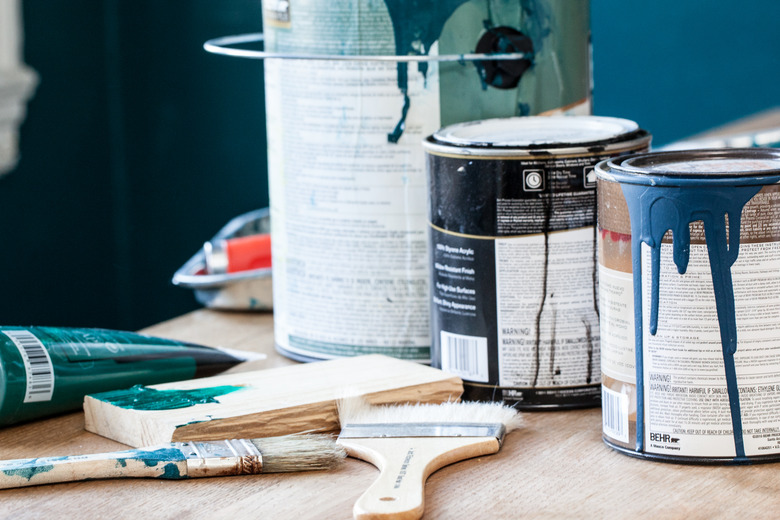
Source: hunker.com
Painting wainscot with intricate carvings or moldings requires patience and precision. Use a small, angled brush to carefully paint around the details, working in thin coats to avoid drips and runs. Consider using a feathering technique to blend the paint seamlessly into the surrounding areas.Paint bleed-through on previously painted surfaces can be minimized by using a high-quality primer and applying multiple coats.
If bleed-through occurs, sand the affected area lightly and apply another coat of primer before repainting.To ensure durability in high-traffic areas, use a satin or semi-gloss finish, which are more resistant to scuffs and stains. Regularly clean the wainscot with a mild detergent and warm water.Achieving a professional finish when painting wainscot corners and edges requires careful attention to detail.
Use an angled brush to cut in the edges, ensuring a clean and crisp line. Wipe away any excess paint immediately with a damp cloth.
Maintenance & Touch-Ups
Maintaining painted wainscot is relatively simple, but regular cleaning is essential to keep it looking its best. Dust the wainscot regularly with a soft cloth or vacuum attachment. For more thorough cleaning, wash the wainscot with a mild detergent and warm water.Touch-ups to repair scratches or scuffs can be easily performed using a small brush and matching paint. Clean the affected area, apply a thin coat of primer if necessary, and then apply the paint.Preventative measures to protect wainscot paint from damage include using coasters under drinks, avoiding harsh chemicals, and wiping up spills immediately.Here’s a list of recommended cleaning products for painted wainscot:* Light Dusting: Microfiber cloth
General Cleaning
Mild dish soap and warm water
Stain Removal (Grease)
Degreaser
Stain Removal (Mildew)
Bleach solution (1:3 ratio with water)
Scuff Marks
Magic Eraser (use gently)
Final Conclusion
So, whether you’re dreaming of a cozy farmhouse feel or a sleek, modern look, wainscot paint offers a fantastic way to transform a room. By understanding the nuances of materials, paint types, and application techniques, you can create a stunning and long-lasting finish that adds character and value to your home. Don’t be intimidated – with a little planning and the right tools, you can achieve a professional-looking result and enjoy the beauty of wainscot for years to come!
FAQ Guide
What’s the difference between oil-based and latex paint for wainscot?
Oil-based paints offer excellent durability and a smooth finish, but they have a strong odor, take longer to dry, and require mineral spirits for cleanup. Latex (water-based) paints are lower in VOCs, dry faster, and are easier to clean with soap and water, making them a popular choice for many homeowners.
Why is primer so important for wainscot?
Primer seals the wood, prevents tannins from bleeding through the paint, improves adhesion, and creates a uniform surface for the topcoat. It’s a crucial step for a professional-looking and long-lasting finish.
What sheen level is best for high-traffic areas like hallways?
Semi-gloss or satin finishes are generally recommended for high-traffic areas. They are more durable and easier to clean than matte or eggshell finishes, which are better suited for low-traffic areas.
Can I paint wainscot directly over wallpaper?
No, wallpaper needs to be removed completely before painting wainscot. Any remaining adhesive or residue will prevent the paint from adhering properly and can cause bubbling or peeling.
How do I prevent brush strokes in my wainscot paint job?
Use high-quality brushes, apply thin, even coats, and avoid overworking the paint. Sanding lightly between coats can also help create a smoother finish. Consider using a paint extender to improve flow and leveling.
What’s the best way to clean mildew from wainscot?
Mix a solution of one part bleach to three parts water. Apply to the affected area, let it sit for 10-15 minutes, then scrub gently with a brush. Rinse thoroughly and allow to dry completely.
