Exploring the Versatility of Olive Green Color Paint
Olive green. It’s a color that whispers of nature, history, and a calming sophistication. More than just a trendy hue, olive green has a rich backstory, evolving from its origins in the natural world to its prominent role in military uniforms and now, as a sought-after choice for interior and exterior design. This guide dives deep into the world of olive green color paint, exploring its nuances, applications, and how to best utilize this versatile shade to create spaces that are both stylish and serene.
We’ll unpack the different shades of olive green, from the light and airy to the deep and saturated, and discuss how various paint types and finishes can dramatically alter its appearance. Beyond aesthetics, we’ll consider the psychological impact of olive green, its compatibility with other colors, and practical tips for selecting the perfect shade for your project, ensuring a beautiful and lasting result.
Understanding Olive Green Color
Olive green. It’s a color that whispers of nature, of quiet strength, and a touch of timeless elegance. It’s more than just a shade; it’s an experience. This article dives deep into the world of olive green, exploring its origins, nuances, psychological impact, and historical significance. We’ll uncover why this color continues to resonate with designers and homeowners alike.Olive green’s connection to the natural world is undeniable.
The name itself derives from the color of ripe olives, a fruit deeply ingrained in human history and culture. Beyond olives, it evokes images of lush forests, rolling hills, and the muted tones of the earth. This inherent link to nature is a key reason for its enduring appeal.The beauty of olive green lies in its versatility. It’s not a single color, but a spectrum of shades, each with its own unique character.
From the palest, almost gray-green hues to the deepest, most saturated tones, there’s an olive green to suit every taste. Here are a few examples:* Pale Olive: #E8EDD8 – A light, muted shade, almost a whisper of green.
Soft Olive
#A8B895 – Gentle and calming, with a touch of gray.
Classic Olive
#808000 – The quintessential olive green, a balanced blend of green and brown.
Deep Olive
#556B2F – Rich and earthy, with a darker, more sophisticated feel.
Forest Olive
#385235 – A saturated, almost mossy green, evoking dense woodland.Psychologically, olive green is a grounding and stabilizing color. It’s often associated with peace, tranquility, and harmony. It can evoke feelings of growth, renewal, and connection to nature. However, darker shades can also convey a sense of seriousness or even melancholy. Historically, olive green has been a staple in military uniforms, particularly in the British Army and the American military during World War II.
Its camouflage properties made it ideal for blending into natural environments. It also appeared in civilian clothing during the 1940s, reflecting a practical and understated aesthetic.
Olive Green Paint: Types and Finishes
Choosing the right paint type and finish is crucial for achieving the desired look and longevity of your olive green paint job. Different paint formulations offer varying levels of durability, ease of application, and aesthetic appeal.Several paint types are suitable for olive green, each with its own advantages and disadvantages. Latex paint is a popular choice due to its water-based formula, low odor, and easy cleanup.
It’s also generally more environmentally friendly than oil-based paints. However, latex paint can sometimes struggle with adhesion on glossy surfaces. Oil-based paints offer excellent durability and a smooth, even finish, making them ideal for trim and doors. However, they have a strong odor, require mineral spirits for cleanup, and take longer to dry. Acrylic paints combine the benefits of both latex and oil-based paints, offering good adhesion, durability, and color retention.The paint finish significantly impacts how olive green appears.
Matte finishes absorb light, creating a soft, velvety look that minimizes imperfections. Eggshell finishes offer a slightly more reflective surface than matte, providing a subtle sheen and improved cleanability. Satin finishes have a noticeable sheen, making them ideal for areas that require frequent cleaning. Semi-gloss finishes are even more reflective, offering excellent durability and moisture resistance. Gloss finishes are the most reflective, creating a vibrant, almost lacquered look.
Olive green tends to appear darker and more muted in matte finishes, while it appears brighter and more vibrant in gloss finishes. The way light reflects off the surface dramatically alters the perceived depth and intensity of the color.Here’s a comparison of different olive green paint finishes:
| Finish Type | Description | Best Use |
|---|---|---|
| Matte | Non-reflective, velvety finish. Hides imperfections well. | Bedrooms, living rooms, low-traffic areas. |
| Eggshell | Slightly reflective, subtle sheen. Good cleanability. | Living rooms, dining rooms, hallways. |
| Satin | Noticeable sheen, durable and easy to clean. | Bathrooms, kitchens, children’s rooms. |
| Semi-Gloss | High sheen, excellent moisture resistance. | Trim, doors, cabinets. |
| Gloss | Very high sheen, extremely durable. | High-traffic areas, accents. |
When using olive green paint, especially darker shades, a tinted primer is often necessary. Olive green is a deeply pigmented color, and without a primer, the underlying wall color can bleed through, affecting the final result. A tinted primer, typically a shade lighter than the olive green paint, helps to block the underlying color and ensures a uniform, consistent finish.
Interior Design Applications of Olive Green Paint
Olive green’s versatility makes it a fantastic choice for a wide range of interior design schemes. It can create a calming, sophisticated, or even rustic atmosphere, depending on how it’s paired with other colors and materials.Here are three distinct interior room schemes incorporating olive green:* Rustic Retreat: Olive green walls paired with reclaimed wood furniture, leather accents, and warm brass fixtures.
Complementary colors include terracotta, cream, and deep brown. The mood is cozy, inviting, and grounded.
Mid-Century Modern Oasis
Olive green walls contrasted with walnut wood furniture, geometric patterns, and pops of mustard yellow and burnt orange. The mood is stylish, sophisticated, and slightly retro.
Coastal Calm
Olive green walls combined with white-washed wood furniture, linen textiles, and touches of seafoam green and sandy beige. The mood is serene, breezy, and reminiscent of the coast.Olive green is particularly well-suited for creating a calming and relaxing atmosphere in bedrooms and living rooms. Its connection to nature promotes a sense of tranquility and well-being. In bedrooms, consider pairing olive green walls with soft, natural bedding and muted lighting.
In living rooms, use olive green as a backdrop for comfortable seating and warm textiles.In kitchens and bathrooms, olive green can add a touch of sophistication and warmth. It pairs well with various countertop and tile materials, including granite, marble, and ceramic. For example, olive green cabinets can be beautifully complemented by white marble countertops and subway tile backsplash.As an accent color, olive green can add depth and visual interest to a predominantly neutral space.
An olive green accent wall in a living room can create a focal point and add a touch of personality. Olive green trim can add a subtle contrast to white walls, creating a classic and timeless look.
Exterior Design Applications of Olive Green Paint
Olive green isn’t just for interiors; it can also transform the exterior of your home. Its earthy tones blend seamlessly with natural landscaping, creating a harmonious and inviting aesthetic.Olive green is particularly well-suited for architectural styles like Craftsman, Victorian, and Modern. For Craftsman homes, olive green can complement the natural wood elements and earthy tones. For Victorian homes, it can add a touch of sophistication and historical charm.
For Modern homes, it can create a sleek and contemporary look.Olive green paint beautifully complements natural landscaping elements like trees, shrubs, and stone. The color echoes the tones of the surrounding environment, creating a cohesive and visually appealing exterior.The appropriate sheen level for exterior olive green paint depends on the climate and maintenance requirements. Lower sheen levels (matte or eggshell) are more forgiving of imperfections and offer a softer look.
Higher sheen levels (satin or semi-gloss) are more durable and easier to clean, making them ideal for areas with harsh weather conditions.Imagine a Craftsman bungalow painted in [Specific Shade of Olive Green – e.g., Forest Olive #385235]. The trim is painted a creamy white, and the front door is a deep charcoal gray. The landscaping features lush green shrubs, flowering perennials, and a stone pathway.
The overall aesthetic is charming, inviting, and perfectly integrated with its natural surroundings.
Complementary and Contrasting Colors for Olive Green
Understanding color theory is key to creating a visually appealing space. Olive green, like any color, works best when paired with complementary and contrasting hues.Five colors that complement olive green beautifully include:* Cream: Creates a soft, classic, and timeless look.
Terracotta
Adds warmth and earthiness, evoking a Mediterranean feel.
Gold
Introduces a touch of luxury and sophistication.
Mustard Yellow
Creates a vibrant and energetic contrast.
Pale Pink
Adds a touch of femininity and softness.Three colors that create a striking contrast with olive green include:* Coral: A bold and unexpected pairing that adds a pop of color.
Navy Blue
Creates a sophisticated and nautical feel.
Bright White
Provides a crisp and clean contrast, highlighting the richness of the olive green.Here’s a color palette showcasing olive green paired with both complementary and contrasting colors:* Olive Green: The foundation of the palette, providing a grounding and earthy tone.
Cream
Adds softness and warmth.
Terracotta
Enhances the earthy feel.
Coral
Introduces a vibrant and playful contrast.
Navy Blue
Creates a sophisticated and balanced look.
Mood
Balanced, earthy, sophisticated, with a touch of vibrancy.The undertones within olive green – whether yellow-based, gray-based, or brown-based – significantly affect its compatibility with other colors. Yellow-based olive greens pair well with warmer tones like gold and terracotta. Gray-based olive greens work well with cooler tones like navy blue and gray.
Olive Green Paint and Lighting
Lighting plays a crucial role in how we perceive color. Olive green is no exception. Different types of lighting can dramatically alter its appearance.Natural light tends to bring out the vibrancy and depth of olive green, making it appear more luminous and inviting. Incandescent lighting casts a warm, yellowish glow, which can make olive green appear slightly more muted and brown.
LED lighting, particularly cool-toned LEDs, can make olive green appear slightly cooler and more gray.The amount of natural light in a room influences the perceived depth and vibrancy of olive green. Rooms with ample natural light can handle darker, more saturated shades of olive green. Rooms with limited natural light may benefit from lighter, more muted shades.Accent lighting can be used to highlight specific features painted in olive green, such as architectural details or artwork.
Uplighting can create a dramatic effect, while downlighting can provide a more subtle glow.
Before committing to a full paint job, test olive green paint samples under different lighting conditions – natural daylight, incandescent light, and LED light – to see how the color appears at various times of the day and under different lighting schemes. This will help you choose the shade that best suits your space and lighting.
Choosing the Right Olive Green Shade
Selecting the perfect olive green shade can feel overwhelming, given the wide range of options available. Understanding the undertones and considering your existing décor is key.Olive green’s undertones can be yellow, gray, or brown. Yellow undertones create a warmer, more vibrant olive green. Gray undertones create a cooler, more muted olive green. Brown undertones create an earthier, more grounded olive green.To select an olive green shade that complements existing furniture and décor, consider the overall color scheme of the room.
If the room has warm tones, choose an olive green with yellow undertones. If the room has cool tones, choose an olive green with gray undertones.Always test olive green paint samples in the intended space before making a final decision. Observe how the color looks under different lighting conditions and at different times of the day.Here’s a flowchart to help you determine the best olive green shade:[Flowchart – This would visually guide users through questions like: “Is your room mostly bright or dim?”, “Do you want a warm or cool feel?”, “What are the dominant colors in your existing furniture?”]
Olive Green Paint and Materials
The way olive green paint interacts with different materials – wood, metal, and concrete – can affect the final appearance and durability of the finish.Olive green paint can enhance the natural grain of wood, creating a warm and inviting look. On metal, it can provide a durable and corrosion-resistant finish. On concrete, it can add a touch of color and texture.Proper surface preparation is essential for achieving a long-lasting olive green paint job.
Wood surfaces should be sanded and primed to ensure good adhesion. Metal surfaces should be cleaned and treated to prevent rust. Concrete surfaces should be cleaned and sealed to prevent moisture penetration.Using the appropriate primer is crucial for different materials when painting with olive green. A wood primer helps to seal the wood and prevent tannins from bleeding through. A metal primer helps to prevent rust and promote adhesion.
A concrete primer helps to seal the concrete and provide a uniform surface for painting.Here’s a table outlining the recommended surface preparation and priming steps:
| Material | Cleaning | Priming | Application Notes |
|---|---|---|---|
| Wood | Sand to smooth surface, remove any loose paint or debris. | Apply a wood primer. | Ensure the primer is fully dry before applying the olive green paint. |
| Metal | Clean with a degreaser, sand lightly to create a rough surface. | Apply a metal primer. | Consider using a rust-inhibiting primer. |
| Drywall | Clean with a damp cloth, fill any holes or cracks. | Apply a drywall primer. | Ensure the drywall is completely dry before applying the olive green paint. |
Ending Remarks
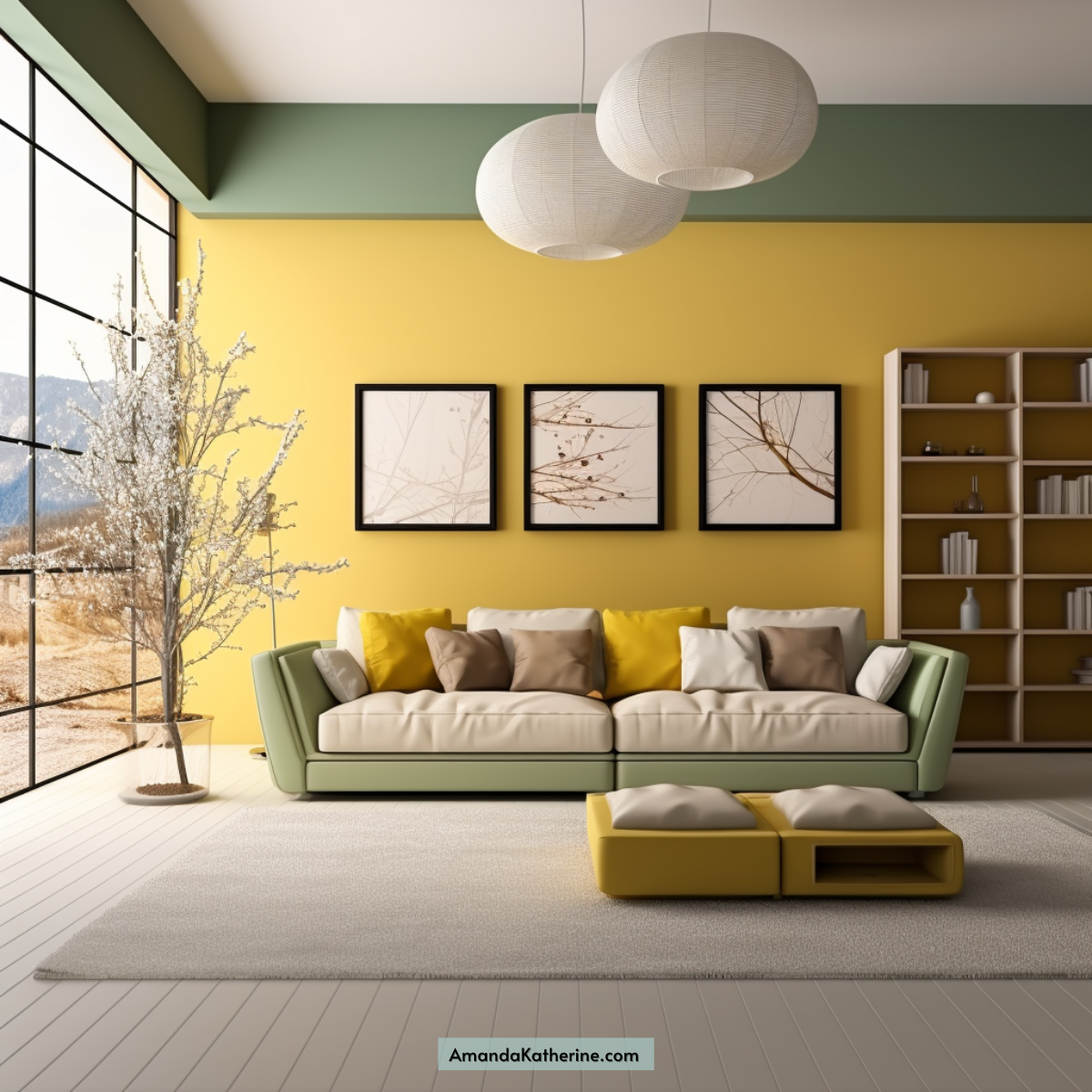
Source: amandakatherine.com
From crafting tranquil bedrooms to adding a touch of earthy elegance to your exterior, olive green color paint offers a remarkable range of possibilities. Understanding its undertones, how it interacts with light, and the best application techniques are key to unlocking its full potential. Whether you’re a seasoned designer or a DIY enthusiast, this exploration provides the knowledge and inspiration to confidently incorporate olive green into your next project, creating spaces that are both visually appealing and emotionally resonant.
So, embrace the natural beauty and timeless appeal of olive green – it’s a color that’s sure to bring a touch of grounded sophistication to any setting.
Popular Questions
Why is a tinted primer often needed when using olive green paint?
Olive green is a deep color, and a standard primer might not completely block the existing wall color, leading to a muddy or inconsistent finish. A tinted primer, typically gray or a similar neutral tone, helps create a uniform base for the olive green to adhere to and achieve its true color.
How does the sheen level affect the durability of olive green paint?
Higher sheen levels (semi-gloss and gloss) are generally more durable and easier to clean than matte or eggshell finishes. They’re better suited for high-traffic areas or surfaces that require frequent cleaning, like kitchens and bathrooms.
What are some common undertones found in olive green?
Olive green can have undertones of yellow, gray, or brown. Yellow-based olive greens tend to be warmer and more vibrant, while gray-based olive greens are cooler and more muted. Brown undertones add an earthy, grounded feel.
How can I test olive green paint samples to see how they look in my space?
Always test paint samples on a large area of the wall (at least 2′ x 2′) and observe them under different lighting conditions throughout the day. Paint a swatch and live with it for a few days to see how the color changes with the light.
Is olive green a good choice for a small room?
It can be! Lighter, more muted shades of olive green can actually make a small room feel larger and more inviting. However, darker shades might make the space feel smaller, so consider the room’s lighting and overall design.
What’s the best way to prepare wood before painting it with olive green?
Thorough preparation is key! Clean the wood surface to remove any dirt or grime, sand it lightly to create a slightly rough surface for better adhesion, and then apply a wood primer to seal the wood and ensure even paint coverage.
