Hague Blue by Farrow & Ball A Deep Dive into Timeless Style
There’s something undeniably captivating about a deep, moody blue, and Farrow & Ball’s Hague Blue embodies that perfectly. It’s more than just a color; it’s an atmosphere, a feeling of quiet sophistication and enduring elegance. This guide explores everything you need to know about Hague Blue, from its historical roots and psychological impact to practical applications in your home, helping you unlock its full potential for creating truly stunning spaces.
We’ll delve into the nuances of this beloved hue, examining its subtle undertones, how it interacts with light, and how it compares to other blues in the Farrow & Ball collection. Beyond the technical aspects, we’ll explore how Hague Blue can evoke feelings of calmness and serenity, and how to use it effectively in various room settings, from cozy bedrooms to stylish living rooms and beyond.
Get ready to discover the secrets behind this iconic color and learn how to incorporate it into your own design projects.
Introduction to Hague Blue by Farrow & Ball
Hague Blue is a color that consistently captivates, appearing frequently on mood boards and in design magazines. It’s more than just a dark blue; it’s a complex shade that evokes a sense of calm, sophistication, and a touch of drama. This article delves into the nuances of Hague Blue, exploring its history, psychological impact, and practical applications within interior design.
We’ll cover everything from choosing the right finish to pairing it with complementary colors and furniture styles, providing a comprehensive guide to incorporating this iconic hue into your home.
Color Characteristics: Undertones, Saturation, and Overall Feel
Hague Blue (No. 292) is a deeply saturated, inky blue with subtle grey undertones. This isn’t a bright, cheerful blue; it’s a color that feels grounded and substantial. The grey undertones prevent it from feeling overly cold or nautical, instead lending it a sophisticated, almost brooding quality. Its saturation is high, meaning it’s a rich and intense color, but the grey undertones soften the impact, preventing it from feeling overwhelming.
The overall feel is one of quiet confidence and understated elegance. It’s a color that invites contemplation and creates a sense of intimacy.
Historical Context and Inspiration
The name “Hague Blue” is inspired by the historic houses of The Hague in Holland. These buildings, often painted in deep, protective blues, were designed to withstand the harsh North Sea weather. The color reflects the stoicism and resilience of the Dutch landscape and architecture. Farrow & Ball’s color development team sought to capture this sense of enduring strength and quiet beauty, resulting in a color that feels both timeless and contemporary.
The influence of Dutch Masters, known for their use of deep blues and greys in portraits and landscapes, is also subtly present in Hague Blue’s character.
Position within the Farrow & Ball Color Palette
Within the Farrow & Ball palette, Hague Blue sits firmly within the “Deep Blues” category. It’s darker and more muted than brighter blues like Stittsville Blue or Borrowed Light. It shares a kinship with Stiffkey Blue, another deep blue, but Hague Blue possesses a slightly more greyed quality, making it feel a touch more versatile and less overtly nautical. Complementary colors for Hague Blue include warm neutrals like Shaker Beige and Purbeck Stone, which help to balance its intensity.
It also pairs beautifully with soft pinks and greens, creating a sophisticated and harmonious palette.
Color Psychology and Emotional Impact
Psychological Effects of Hague Blue
Hague Blue’s deep, calming hue has a profound psychological effect. It’s often associated with feelings of serenity, peace, and trustworthiness. The color’s depth encourages introspection and can create a sense of safety and security. Unlike brighter blues that can be stimulating, Hague Blue promotes relaxation and a feeling of being grounded. It’s a color that can help to reduce stress and create a tranquil atmosphere, making it ideal for spaces where you want to unwind and recharge.
Hague Blue’s Depth and Intensity: Drama and Sophistication
The intensity of Hague Blue allows it to create a sense of drama and sophistication when used effectively. In a well-lit space, its depth can add a touch of mystery and intrigue. It’s a color that commands attention without being overly assertive. The richness of the hue lends a feeling of luxury and refinement, making it suitable for creating a statement wall or accentuating architectural details.
Cultural Perceptions of Hague Blue
While blue is generally associated with positive emotions across many cultures, the specific perception of deep blues like Hague Blue can vary. In Western cultures, it’s often linked to stability, reliability, and authority. In some Eastern cultures, darker blues can be associated with mourning or sadness, although this is less common. However, the grey undertones in Hague Blue soften its intensity, making it generally well-received across diverse cultural backgrounds.
The key is to consider the overall design scheme and the intended mood when incorporating it into a space.
Interior Design Applications: Walls
Room Schemes Utilizing Hague Blue on Walls
Here are three distinct room schemes showcasing Hague Blue on walls:
- Bedroom: A calming sanctuary painted in Hague Blue. The walls are paired with white woodwork (Farrow & Ball Wimborne White) to create a crisp contrast. Furniture is a mix of antique and contemporary pieces in natural wood tones (oak or walnut) and soft grey fabrics. Bedding features linen sheets in cream and a textured wool throw in a muted blush pink.
The overall feel is restful and serene.
- Living Room: A sophisticated and inviting living room with Hague Blue walls. Trim is painted in a slightly warmer white (Farrow & Ball Pointing) to soften the contrast. Furniture includes a plush velvet sofa in a deep charcoal grey, a mid-century modern coffee table in walnut, and antique brass accents. Artwork features abstract landscapes in muted tones. The lighting is warm and layered, with floor lamps and table lamps creating a cozy atmosphere.
- Study: A focused and inspiring study with Hague Blue walls. The trim is painted in a classic off-white (Farrow & Ball Slipper Satin). Furniture includes a large wooden desk in a rich mahogany finish, a comfortable leather armchair, and built-in bookshelves filled with books and decorative objects. The lighting is task-oriented, with a desk lamp and overhead lighting providing ample illumination.
Hague Blue in Different Lighting Conditions
Hague Blue’s appearance shifts dramatically depending on the lighting conditions. In natural light, it appears deep and saturated. In artificial light, it can appear slightly darker and more muted. Warm light (yellow-toned bulbs) will bring out the grey undertones, making it feel more cozy and inviting. Cool light (blue-toned bulbs) can make it appear slightly colder and more dramatic.
It’s crucial to test paint samples in the room under different lighting conditions before committing to a full application.
Comparing Hague Blue with Similar Farrow & Ball Blues
| Feature | Hague Blue | Stiffkey Blue | Borrowed Light |
|---|---|---|---|
| Depth | Very Deep | Deep | Medium |
| Brightness | Low | Low | Medium |
| Undertones | Grey | Green | Grey-Blue |
| Overall Feel | Sophisticated, Calm | Nautical, Bold | Airy, Relaxed |
Interior Design Applications: Accent Walls & Details
Effective Use as an Accent Wall
Hague Blue excels as an accent wall in larger, lighter rooms. It creates a focal point and adds depth and drama without overwhelming the space. It’s particularly successful in rooms with a Scandinavian or minimalist aesthetic, where it provides a grounding contrast to the light and airy color palette. For example, in a bright white living room, a Hague Blue accent wall behind the sofa can create a cozy and inviting reading nook.
Use in Smaller Design Elements
Hague Blue can also be used effectively in smaller design elements like trim, doors, and window frames. Painting interior doors in Hague Blue adds a touch of sophistication and visual interest. Using it on window frames can create a striking contrast against lighter wall colors. These details elevate the overall aesthetic and add a layer of personality to the space.
Pairing with Metallic Accents
Pairing Hague Blue with metallic accents can create different moods. Gold accents (mirrors, picture frames, light fixtures) add a touch of glamour and warmth. Silver accents (hardware, decorative objects) create a cooler, more contemporary feel. Copper accents (vases, lamps) add a rustic and inviting touch. The choice of metal depends on the desired aesthetic and the overall design scheme.
Pairing with Furniture and Textiles
Complementary Furniture Styles
- Mid-Century Modern: Hague Blue pairs beautifully with the clean lines and organic shapes of mid-century modern furniture. Suggest wood tones like walnut or teak, and upholstery fabrics in mustard yellow, olive green, or charcoal grey.
- Traditional: Hague Blue can add a touch of drama to a traditional space. Pair it with dark mahogany furniture, velvet upholstery in jewel tones (emerald green, sapphire blue), and antique brass accents.
- Scandinavian: Hague Blue provides a grounding contrast to the light and airy aesthetic of Scandinavian design. Pair it with light oak furniture, linen upholstery in cream or grey, and natural textures like wool and sheepskin.
Interaction with Fabric Textures
Different fabric textures interact with Hague Blue in unique ways. Velvet adds a luxurious and tactile feel, enhancing the color’s depth and richness. Linen creates a relaxed and casual vibe, softening the color’s intensity. Wool provides warmth and texture, adding a cozy and inviting element. Patterns that work well with Hague Blue include geometric prints, subtle florals, and abstract designs in complementary colors.
“Hague Blue is a chameleon. It can be incredibly sophisticated in a formal setting, but also surprisingly cozy and inviting in a more relaxed space. The key is to balance its intensity with the right textures and complementary colors.”
Amelia Stone, Interior Designer
Hague Blue in Different Room Types
Suitability for a Bedroom
Hague Blue is an excellent choice for a bedroom, creating a relaxing and restful atmosphere. Its calming hue promotes sleep and reduces stress. Pairing it with soft bedding, blackout curtains, and warm lighting can transform the bedroom into a tranquil sanctuary.
Use in a Kitchen or Dining Room
While less common, Hague Blue can be used effectively in a kitchen or dining room. It creates a dramatic and sophisticated backdrop for culinary activities. Consider pairing it with white cabinetry, stainless steel appliances, and natural wood accents. The color’s depth can stimulate appetite and create a sense of intimacy during meals.
Use in a Bathroom
Hague Blue can create a spa-like feel in a bathroom. Its calming hue promotes relaxation and tranquility. Pairing it with white tile, natural stone accents, and soft lighting can transform the bathroom into a luxurious retreat.
Complementary Colors and Color Palettes
Colors that Harmonize with Hague Blue
- Calming: White, Cream, Grey, Soft Pink
- Energetic: Mustard Yellow, Olive Green, Teal
- Sophisticated: Charcoal Grey, Gold, Deep Purple
Monochromatic Color Scheme
Creating a monochromatic color scheme using different shades and tones of blue can be incredibly effective. Start with Hague Blue as the base color and then incorporate lighter blues like Borrowed Light and darker blues like Stiffkey Blue. Varying the textures and finishes will add depth and visual interest.
Complete Color Palettes Incorporating Hague Blue
| Color Name | Hex Code | Percentage |
|---|---|---|
| Hague Blue | #293144 | 40% |
| Wimborne White | #F8F5F0 | 50% |
| Olive Green | #808000 | 10% |
| Color Name | Hex Code | Percentage |
|---|---|---|
| Hague Blue | #293144 | 35% |
| Shaker Beige | #F5F0E1 | 45% |
| Brass Accent | #B8860B | 20% |
| Color Name | Hex Code | Percentage |
|---|---|---|
| Hague Blue | #293144 | 30% |
| Pointing | #F4F2DE | 50% |
| Blush Pink | #F0C2C8 | 20% |
Surface Finishes and Application
Farrow & Ball Paint Finishes
Farrow & Ball offers a range of finishes that affect the appearance of Hague Blue:
- Estate Emulsion: A matte finish that provides a velvety, luxurious look. It’s ideal for bedrooms and living rooms where a soft, muted feel is desired.
- Modern Emulsion: A slightly more durable finish with a subtle sheen. It’s suitable for high-traffic areas like hallways and kitchens.
- Estate Eggshell: A durable finish with a low sheen that’s perfect for bathrooms and kitchens. It’s easy to clean and resists moisture.
Recommended Preparation Steps
Proper preparation is crucial for a flawless finish. Walls should be cleaned thoroughly to remove any dirt or grease. Any cracks or holes should be filled and sanded smooth. Priming the walls is recommended, especially if they are previously painted in a dark color.
Step-by-Step Application Guide
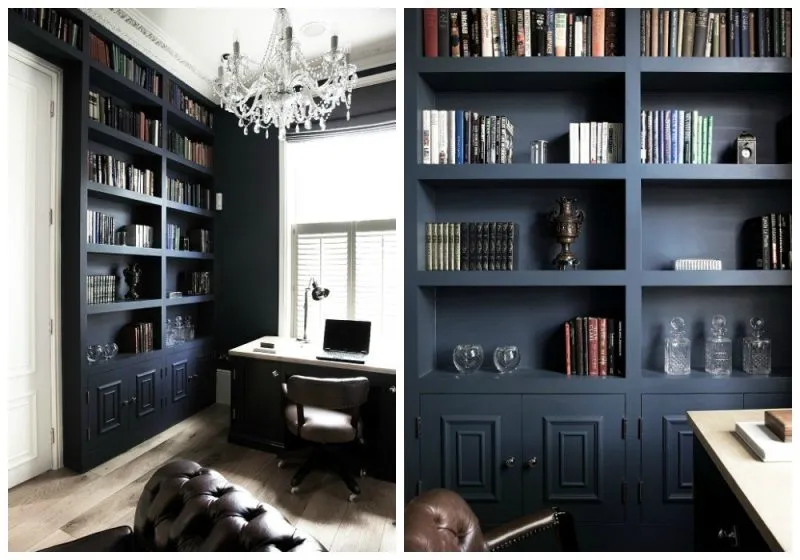
Source: emilymaydesigns.com
1. Gather your tools
paintbrushes, rollers, paint tray, masking tape.
- Apply masking tape to trim and edges.
- Stir the paint thoroughly.
- Apply a thin, even coat of paint using a brush or roller.
- Allow the paint to dry completely.
- Apply a second coat of paint for full coverage.
- Remove the masking tape carefully.
Hague Blue in Exterior Spaces
Challenges and Considerations
Using Hague Blue on exterior surfaces presents unique challenges. Exposure to sunlight can fade the color over time. Weather conditions, such as rain and snow, can also affect its durability. It’s important to choose a weather-resistant paint finish and to apply multiple coats for protection.
Painting Exterior Doors, Shutters, or Trim
Hague Blue can add a striking accent to exterior doors, shutters, or trim. It creates a bold and sophisticated look that complements a variety of architectural styles. Consider pairing it with a lighter color for the main body of the house to create a balanced aesthetic.
Incorporating Hague Blue into a Garden Design
Hague Blue can be incorporated into a garden design by painting fences, garden furniture, or even planters. It creates a cohesive and stylish look that extends the design aesthetic from the interior to the exterior.
Illustrative Examples: Room Visualizations (Descriptive)
Living Room in Hague Blue
Imagine a living room bathed in the soft glow of natural light. The walls are painted in Hague Blue, creating a dramatic yet calming backdrop. A plush, charcoal grey velvet sofa anchors the space, adorned with cream-colored linen cushions and a textured wool throw in a muted blush pink. A mid-century modern coffee table in walnut sits atop a hand-knotted rug in a geometric pattern.
Antique brass floor lamps cast a warm glow, highlighting a collection of abstract landscapes on the walls. A large fiddle-leaf fig tree adds a touch of greenery and life to the room.
Bedroom in Hague Blue
Envision a serene bedroom painted in Hague Blue, creating a restful and intimate atmosphere. The walls are paired with crisp white woodwork, providing a clean contrast. The bed is dressed in luxurious linen sheets in cream, layered with a soft wool blanket and a scattering of decorative pillows. Blackout curtains in a deep grey block out unwanted light, ensuring a peaceful night’s sleep.
Two antique bedside tables in a distressed finish hold vintage lamps and stacks of books.
Hallway in Hague Blue
Picture a long, narrow hallway painted in Hague Blue, creating a sense of depth and intrigue. The flooring is wide-plank oak, adding warmth and texture. A gallery wall features a collection of black and white photographs in ornate frames. A modern pendant light fixture hangs from the ceiling, casting a soft glow on the walls. A sleek console table in a dark wood finish holds a vase of fresh flowers and a stack of design magazines.
Last Word
From its historical inspiration to its versatile application, Hague Blue by Farrow & Ball proves itself a timeless choice for interior design. Whether you’re seeking a dramatic accent wall or a complete room transformation, this deep blue offers a wealth of possibilities. By understanding its nuances, complementary colors, and the impact it has on mood, you can confidently harness its power to create spaces that are both beautiful and deeply personal.
So, embrace the depth and sophistication of Hague Blue – your home will thank you for it!
FAQ Overview
What are the undertones in Hague Blue?
Hague Blue has subtle grey undertones, which prevent it from feeling overly cold or nautical. This makes it incredibly versatile and easy to pair with a wide range of styles.
Is Hague Blue a dark color?
Yes, it’s a deep, saturated blue, but not so dark that it feels oppressive. The grey undertones keep it grounded and balanced, preventing it from becoming too heavy.
How does Hague Blue look in a north-facing room?
In a north-facing room, Hague Blue can appear even deeper and more dramatic. Consider pairing it with warm metallic accents like brass or copper to brighten the space.
Can I use Hague Blue in a small room?
Absolutely! While it’s a dark color, Hague Blue can actually make a small room feel cozy and intimate. Just ensure you have adequate lighting to prevent it from feeling too enclosed.
What’s the difference between Hague Blue and Stiffkey Blue?
Stiffkey Blue is a deeper, more saturated navy with stronger green undertones, making it feel more dramatic and nautical. Hague Blue is slightly lighter and has more grey undertones, giving it a more sophisticated and versatile feel.
What Farrow & Ball finish is best for Hague Blue?
Estate Emulsion is a popular choice for its velvety matte finish, which enhances the depth of the color. Estate Eggshell offers a subtle sheen and is more durable for high-traffic areas.
