Farrow & Ball Timeless Colors & Sustainable Craftsmanship
There’s something undeniably captivating about Farrow & Ball. It’s more than just paint; it’s a heritage brand steeped in tradition, a commitment to authentic color, and a dedication to sustainable practices. For years, interior design enthusiasts have sought out their unique palette and luxurious finishes, transforming homes into spaces that feel both timeless and deeply personal. This guide dives deep into the world of Farrow & Ball, exploring their history, signature shades, application techniques, and so much more – all to help you achieve that coveted, effortlessly chic look.
From their meticulous paint-making process, rooted in traditional methods, to the inspiration drawn from historic British architecture, Farrow & Ball has cultivated a distinct identity. We’ll unpack the nuances of their color selection, the different paint types and finishes available, and how to best apply them for stunning results. Whether you’re a seasoned DIYer or just starting your decorating journey, this is your comprehensive resource for understanding and embracing the Farrow & Ball aesthetic.
Farrow & Ball: A Deep Dive into Color and Craft
Farrow & Ball. The name itself evokes a sense of heritage, quality, and a certain understated elegance. But beyond the beautiful colors, there’s a fascinating story of tradition, innovation, and a deep respect for the materials and techniques that shape the way we decorate our homes. This isn’t just about paint; it’s about creating atmosphere, telling a story, and bringing a touch of timeless beauty into your space.
Let’s explore the brand’s history, philosophy, and the nuances of their exceptional color palette.
The brand’s commitment to authenticity is evident in every tin. It’s a dedication that sets them apart and makes their paints a sought-after choice for both homeowners and professional designers. We’ll unpack what makes Farrow & Ball so special, from their unique manufacturing process to the inspiration behind their iconic shades.
Brand History and Philosophy
Farrow & Ball’s journey began in 1946 in Dorset, England, founded by John Farrow and Thomas Ball. Initially, it was a small, family-run business producing high-quality paints and wallpapers for the local market. The early years were characterized by a focus on traditional methods and a commitment to using natural ingredients – a stark contrast to the increasingly industrialized paint manufacturing processes of the time.
This dedication to quality and craftsmanship laid the foundation for the brand’s future success.
What truly distinguishes Farrow & Ball is their unwavering commitment to traditional paint-making techniques. Unlike many modern paint manufacturers who rely on synthetic pigments and mass production, Farrow & Ball continues to use many of the same methods employed centuries ago. This includes milling their own pigments, using a unique blend of natural ingredients, and carefully controlling the drying process.
The result is a paint that feels different – richer, more textured, and with a depth of color that’s hard to replicate.
The influence of historic British homes and architecture is deeply ingrained in Farrow & Ball’s color palette. The founders drew inspiration from the grand estates, country houses, and historic buildings of the English countryside. They meticulously documented the colors used in these spaces, recognizing the subtle nuances and the way light interacts with different pigments. This research informs their color selection, ensuring that each shade is historically accurate and evocative of a particular time and place.
Sustainability and ethical sourcing are core values for Farrow & Ball. They prioritize using natural, renewable ingredients whenever possible, and they are committed to minimizing their environmental impact. This includes reducing waste, using eco-friendly packaging, and supporting sustainable forestry practices. The brand also emphasizes fair labor practices throughout their supply chain, ensuring that all workers are treated with respect and dignity.
- 1946: Founded by John Farrow and Thomas Ball in Dorset, England.
- 1970s: The company began to develop its signature, richly pigmented paints.
- 1990s: Significant expansion and international distribution began.
- 2005: Introduction of the “Modern Emulsion” range, broadening the product offering.
- Present: Continues to innovate while upholding its commitment to traditional methods and sustainability.
Color Palette Exploration: Signature Shades
Farrow & Ball’s color palette is renowned for its depth, complexity, and historical accuracy. Each shade is carefully considered, with subtle undertones that create a unique and captivating effect. Let’s delve into a few of their most beloved colors.
Hague Blue
Hague Blue is a deeply saturated, mid-tone blue with a hint of grey. It’s a color that feels both calming and sophisticated. The grey undertones prevent it from feeling overly bright or tropical, lending it a grounded, almost moody quality. It works beautifully in hallways, studies, or bedrooms, creating a sense of tranquility and depth. It pairs exceptionally well with warm woods and brass accents.
Inchyra Blue
Inchyra Blue is a complex, dark grey-blue that shifts dramatically depending on the light. In bright sunlight, it appears almost black, while in softer light, the blue undertones become more apparent. This versatility makes it a fantastic choice for spaces where you want a color that can adapt to different moods and times of day. It’s particularly effective in rooms with good natural light, where its depth can be fully appreciated.
It’s a surprisingly warm color despite its darkness, making it suitable for both modern and traditional interiors.
Elephant’s Breath
Elephant’s Breath is arguably one of Farrow & Ball’s most popular neutrals. It’s a warm, grey-purple that creates a sense of enveloping comfort. The subtle purple undertones add a touch of sophistication and warmth, preventing it from feeling cold or sterile. It’s incredibly versatile and works well in almost any room, from living rooms and bedrooms to hallways and kitchens.
It’s a color that feels both timeless and contemporary.
Railings
Railings is a low-lying black with a smoky quality. It’s not a stark, flat black, but rather a color that absorbs light and creates a sense of depth and shadow. It’s often used as a trim color or to highlight architectural details. Applying Railings to skirting boards, window frames, or door frames can instantly add a touch of drama and sophistication to a space.
It’s a powerful tool for creating contrast and defining different areas within a room.
Mood Board: Setting Plaster, Lulworth Blue, and Green Smoke
Imagine a room bathed in soft, natural light. Setting Plaster, a warm, creamy plaster color, covers the walls, creating a sense of calm and serenity. A plush velvet sofa in Lulworth Blue, a sophisticated mid-tone blue, anchors the space. The texture of the velvet contrasts beautifully with the smooth plaster walls. Finally, a woven rug in Green Smoke, a deep, smoky green, adds a touch of earthy warmth and visual interest.
The textures – the smooth plaster, the soft velvet, and the woven rug – create a layered and inviting atmosphere. Consider adding natural wood elements like a coffee table or side tables to further enhance the warmth and organic feel.
Paint Types and Finishes
Source: co.uk
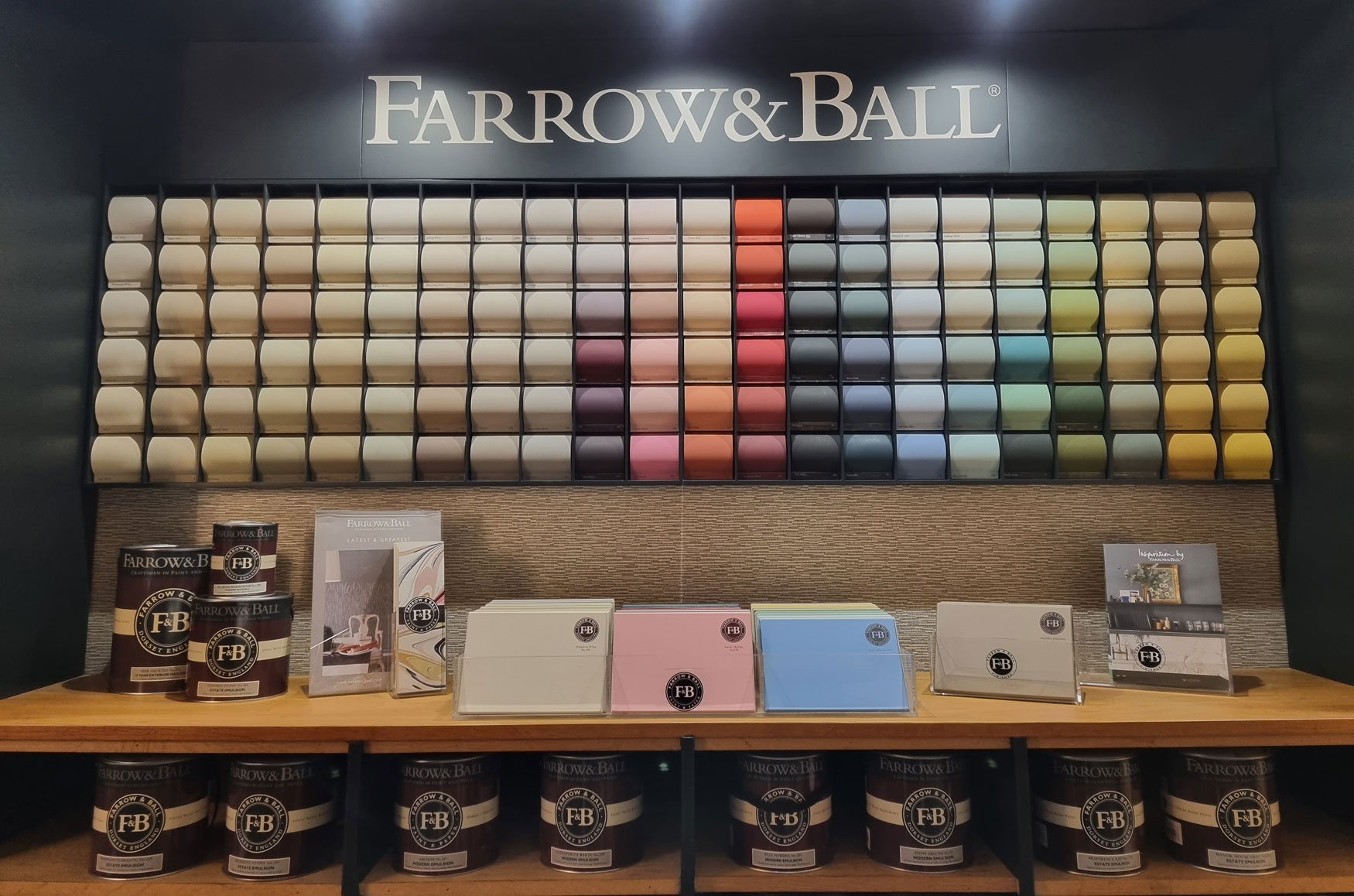
Farrow & Ball offers a range of paint types and finishes, each designed for specific applications and aesthetic preferences. Understanding the differences is crucial for achieving the desired look and ensuring the longevity of your paint job.
- Estate Emulsion: This is Farrow & Ball’s most popular paint, known for its luxurious, velvety matte finish. It’s breathable, allowing moisture to escape, and ideal for interior walls.
- Modern Emulsion: A more durable option than Estate Emulsion, Modern Emulsion offers a slightly more sheen and is easier to clean. It’s suitable for high-traffic areas and walls that require frequent cleaning.
- Oil-Based Paints: Primarily used for trim, doors, and exterior surfaces, oil-based paints offer exceptional durability and a hard-wearing finish.
The finishes available further influence the look and feel of your space:
- Matte: Non-reflective, hides imperfections well, but less durable.
- Eggshell: Slight sheen, more durable than matte, good for living rooms and bedrooms.
- Satin: Moderate sheen, easy to clean, suitable for kitchens and bathrooms.
- Gloss: High sheen, very durable, often used for trim and doors.
Application techniques vary depending on the paint type and finish. Oil-based paints typically require longer drying times and may need to be thinned before application. Matte finishes require careful application to avoid brushstrokes.
| Finish | Durability | Sheen | Recommended Use |
|---|---|---|---|
| Matte | Low | 0-10% | Walls (low-traffic areas) |
| Eggshell | Medium | 10-25% | Living Rooms, Bedrooms |
| Satin | High | 25-40% | Kitchens, Bathrooms |
| Gloss | Very High | 40-80% | Trim, Doors |
Final Review
Ultimately, Farrow & Ball represents a thoughtful approach to interior design – one that prioritizes quality, sustainability, and enduring style. By understanding their history, color philosophy, and application techniques, you can confidently bring their signature look into your own home. It’s about creating spaces that tell a story, reflecting your personal taste while honoring the rich heritage of British design.
So, embrace the depth of color, the luxurious textures, and the commitment to craftsmanship that defines the Farrow & Ball experience – and transform your house into a home you truly love.
Essential FAQs
What makes Farrow & Ball paint different from other brands?
Farrow & Ball uses a unique formulation with a high pigment content and low VOCs (volatile organic compounds). This results in richer, deeper colors and a less chemical smell compared to many other paints. They also use traditional techniques like milling, which creates a unique texture and depth.
Are Farrow & Ball paints washable?
Washability depends on the finish you choose. Estate Emulsion, their most popular choice, is not highly washable. However, Modern Emulsion and Oil-Based paints offer better durability and are easier to clean. Consider Eggshell or Satin finishes for areas that require more frequent cleaning.
Can I use Farrow & Ball paint on exterior surfaces?
Yes, they have a range of exterior paints specifically formulated to withstand the elements. It’s crucial to use their exterior-grade primers and paints for optimal protection and longevity.
What’s the best way to choose a color from Farrow & Ball?
Their website and color cards are a great starting point. Ordering sample pots is
-highly* recommended! Colors can look very different in your home’s lighting conditions. Also, consider the undertones of the colors and how they interact with your existing furniture and décor.
Do I need to prime before using Farrow & Ball paint?
Generally, yes. Priming ensures better adhesion, blocks stains, and helps achieve a more even color. Farrow & Ball offers their own primers and undercoats specifically designed to work with their paints.
How long does Farrow & Ball paint take to dry?
Drying times vary depending on the paint type and environmental conditions. Estate Emulsion typically takes 4-6 hours to touch dry and 16-24 hours for a full cure. Always refer to the product label for specific instructions.
