Farrow & Ball Studio Green A Deep Dive into the Hue
Farrow & Ball’s Studio Green has quietly become a design darling, and for good reason. It’s more than just a color; it’s an atmosphere, a feeling of grounded sophistication. This deep, muted green draws inspiration from traditional English gardens and artist studios, blending a sense of history with a contemporary sensibility. We’ll explore its nuances, from its complex undertones to its surprising versatility across different rooms and styles, helping you understand how to best incorporate this captivating shade into your own space.
The color’s journey within Farrow & Ball’s palette is fascinating, evolving from initial inspirations rooted in the natural world to its current status as a go-to choice for designers and homeowners alike. It evokes a sense of calm and focus, reminiscent of a tranquil woodland or a well-loved artist’s workspace. Studio Green isn’t a bright, vibrant green; instead, it’s a complex shade with a depth that invites closer inspection, offering a subtle richness that’s both comforting and inspiring.
Introduction to Farrow & Ball Studio Green
Studio Green has become a cornerstone of Farrow & Ball’s extensive color palette, a testament to the brand’s commitment to nuanced, historically-inspired hues. Initially conceived in the early 2000s, it emerged from a desire to capture the essence of traditional English gardens and the enduring appeal of verdant landscapes. The color’s development wasn’t a sudden creation but rather an evolution, drawing inspiration from antique botanical illustrations and the subtle shifts in tone observed in natural foliage throughout the seasons.
It’s a color that aims to evoke a sense of tranquility and connection to the outdoors, a feeling increasingly sought after in modern interiors.Studio Green isn’t simply a green; it’s a complex blend that resists easy categorization. It possesses a depth and richness that sets it apart, offering a quiet sophistication rather than a vibrant, attention-grabbing display. The color presents a muted, earthy quality, leaning towards a slightly greyed-down green that feels both grounded and refined.
Color Properties & Technical Details
Understanding the technical aspects of Studio Green is key to utilizing it effectively. The color’s undertones are predominantly cool, though not starkly so. The primary pigments contributing to this coolness are a blend of green earth, a touch of blue, and a subtle grey undertone. This combination prevents the color from feeling overly warm or tropical, instead creating a more subdued and sophisticated feel.The Light Reflectance Value (LRV) of Studio Green is 42.
This indicates that it absorbs a moderate amount of light, meaning it will darken a room slightly. In rooms with limited natural light, it’s best paired with lighter accent colors and strategic lighting to prevent the space from feeling too dim. Conversely, in rooms with abundant natural light, Studio Green can thrive, showcasing its depth and complexity.For accurate color matching, here are the color values:
RGB
128, 144, 104
Hex
809068
CMYK
45, 31, 66, 42The appearance of Studio Green shifts noticeably under different lighting conditions. Under natural daylight, it reveals its subtle grey undertones, creating a calming and balanced effect. Incandescent lighting tends to warm the color slightly, bringing out a hint of earthiness. LED lighting, particularly cooler tones, can emphasize the blue undertones, making the color appear slightly more muted.
It’s always recommended to test a sample of Studio Green in the intended space under various lighting conditions before committing to a full application.
Room Applications: Living Spaces
Studio Green’s versatility makes it an excellent choice for living room schemes, offering a foundation for a range of styles. Here are three distinct approaches to incorporating it:
Scheme 1: Rustic Retreat
This scheme embraces a cozy, inviting atmosphere. The walls are painted in Studio Green, complemented by a dark-stained hardwood floor and cream-colored linen sofas. Accents of natural wood, such as a coffee table and shelving units, add warmth and texture. Throw pillows in muted terracotta and olive green provide subtle pops of color.
Scheme 2: Modern Minimalist
Here, Studio Green creates a sophisticated backdrop for a clean, contemporary space. Walls are painted in Studio Green, paired with a light grey concrete floor. Furniture consists of sleek, minimalist pieces in white and charcoal grey. Accent colors include brass and touches of deep teal, adding a touch of luxury and visual interest.
Scheme 3: Bohemian Oasis
This scheme leans into a relaxed, eclectic vibe. Studio Green walls are paired with a patterned Persian rug and a mix of vintage and contemporary furniture. Accent colors include mustard yellow, burnt orange, and deep indigo, creating a vibrant and layered look. Natural textures like rattan and macrame add to the bohemian feel.
| Scheme Name | Key Furniture Pieces | Accent Colors | Overall Style |
|---|---|---|---|
| Rustic Retreat | Linen Sofas, Dark Wood Coffee Table, Wooden Shelving | Terracotta, Olive Green, Cream | Rustic, Cozy, Natural |
| Modern Minimalist | Sleek White Sofa, Charcoal Grey Armchairs, Concrete Floor | Brass, Deep Teal, Light Grey | Modern, Minimalist, Sophisticated |
| Bohemian Oasis | Vintage Armchair, Persian Rug, Rattan Accents | Mustard Yellow, Burnt Orange, Deep Indigo | Bohemian, Eclectic, Relaxed |
Studio Green interacts beautifully with various flooring materials. On hardwood floors, it creates a warm and inviting atmosphere, particularly with floors featuring reddish or golden tones. With tile flooring, especially natural stone or concrete, it provides a grounding contrast. On carpet, Studio Green can create a sense of depth and luxury, particularly when paired with a plush, textured pile.In open-plan living spaces, Studio Green can be used to define zones without creating harsh divisions.
For example, painting an accent wall in Studio Green can delineate a seating area from a dining space. Balancing the color with lighter neutrals, such as white or pale grey, prevents the space from feeling overwhelming.
Room Applications: Bedrooms & Bathrooms
Studio Green’s calming properties make it an ideal choice for bedrooms. The color’s muted tones promote relaxation and create a restful atmosphere. Complementary colors like soft grey, cream, and blush pink enhance the sense of tranquility. Layering textures like linen bedding, wool throws, and velvet cushions adds warmth and visual interest.In bathrooms, Studio Green can create a spa-like ambiance. The color’s coolness is balanced by the warmth of natural materials like wood and stone.
It can be particularly effective in smaller bathrooms, creating a sense of depth and spaciousness.Consider these bathroom fixtures and accessories that pair well with Studio Green:
- Brass hardware (faucets, towel bars, light fixtures)
- White marble countertops
- Subway tile in a classic white or grey
- Hexagon tile in a muted green or grey
- Natural wood accents (shelving, vanity)
Using Studio Green in smaller bedrooms or bathrooms requires careful consideration of lighting. Ensure adequate natural light or supplement with strategically placed artificial lighting to prevent the space from feeling too dark. Using mirrors can also help to reflect light and create a sense of spaciousness.
Room Applications: Kitchens & Dining Rooms
Studio Green can add a touch of sophistication and personality to kitchens. It can be used on cabinetry, either as a primary color for a bold statement or as an accent color for a more subtle effect. The color’s earthy tones complement a variety of countertop materials.In dining rooms, Studio Green can create a welcoming and intimate atmosphere. The color’s calming properties can encourage conversation and enhance the dining experience.
Pairing it with warm lighting and natural textures creates a cozy and inviting space.Studio Green pairs well with:
- Granite countertops with subtle green veining
- Quartz countertops in a light grey or white
- Butcher block countertops for a rustic touch
For a kitchen scheme, consider using Studio Green for the lower cabinets and a contrasting color like Cream or a soft white for the upper cabinets. This creates a balanced and visually appealing look, with the Studio Green grounding the space while the lighter upper cabinets brighten the room. The rationale behind this choice is to create a sense of depth and visual interest, while maintaining a cohesive and harmonious aesthetic.
Complementary Colors & Color Palettes
Several colors complement Studio Green exceptionally well, creating harmonious and visually appealing palettes. These pairings are rooted in color theory principles, leveraging the relationships between colors on the color wheel.Five colors that work particularly well with Studio Green are:
Cream
Provides a soft, warm contrast that balances the coolness of Studio Green.
Grey
Creates a sophisticated and understated palette, emphasizing the color’s depth.
Blush Pink
Adds a touch of warmth and femininity, creating a gentle and inviting atmosphere.
Brass
Introduces a touch of luxury and warmth, complementing the color’s earthy tones.
Deep Teal
Creates a rich and dramatic palette, enhancing the color’s complexity.
| Complementary Color | Description | Potential Use |
|---|---|---|
| Cream | Soft, warm neutral | Walls, trim, upholstery |
| Grey | Cool, sophisticated neutral | Accent wall, flooring, textiles |
| Blush Pink | Warm, feminine hue | Accent pillows, artwork, accessories |
| Brass | Warm metallic accent | Hardware, lighting, decorative objects |
| Deep Teal | Rich, jewel-toned color | Accent furniture, rugs, artwork |
A monochromatic color scheme using different shades and tones of green can create a serene and cohesive look. Layering lighter and darker greens adds depth and visual interest.Using Studio Green as an accent color against a neutral backdrop, such as white, grey, or beige, creates a sophisticated and balanced look. The green provides a pop of color without overwhelming the space.
Styling & Decorating Tips
Incorporating natural elements is crucial to enhancing the effect of Studio Green. Wood furniture, plants, and stone accents complement the color’s earthy tones, creating a sense of warmth and connection to the outdoors.Layering textures and patterns adds visual interest to a Studio Green space. Combining smooth surfaces with rough textures, such as linen, wool, and velvet, creates a dynamic and inviting atmosphere.Metallic accents, particularly gold, silver, and copper, can elevate the look of Studio Green.
Brass hardware in a kitchen or bathroom, silver picture frames, or copper lighting fixtures add a touch of luxury and sophistication.
To decorate a room with Studio Green, start by selecting furniture in complementary colors and textures. Next, add accent pieces like rugs, pillows, and artwork to create visual interest. Finally, incorporate natural elements and metallic accents to complete the look. Remember to test paint samples in the space under various lighting conditions to ensure the color achieves the desired effect.
Alternatives & Similar Colors
While Studio Green is unique, several Farrow & Ball colors offer similar aesthetics. These alternatives provide slightly different nuances, allowing for a tailored approach to achieving a desired look.Three similar colors are:
Green Smoke
A slightly darker and smokier green than Studio Green.
Mizzle
A lighter and more muted green with a grey undertone.
Tranquility
A softer, more pastel green with a calming effect.
| Color Name | Similarity to Studio Green | Key Differences | Ideal Application |
|---|---|---|---|
| Green Smoke | Similar green hue | Darker, smokier | Feature walls, bedrooms |
| Mizzle | Similar muted green tone | Lighter, more greyed | Bathrooms, nurseries |
| Tranquility | Similar calming green effect | Softer, more pastel | Bedrooms, living rooms |
Colors from other paint brands that achieve a similar aesthetic to Studio Green include Sherwin-Williams Sea Salt and Benjamin Moore Gray Cashmere.Adjusting Studio Green slightly can achieve different shades. Adding a touch of grey creates a more muted tone, while adding a hint of yellow creates a warmer, more earthy feel.
Visual Representations & Imagery Descriptions
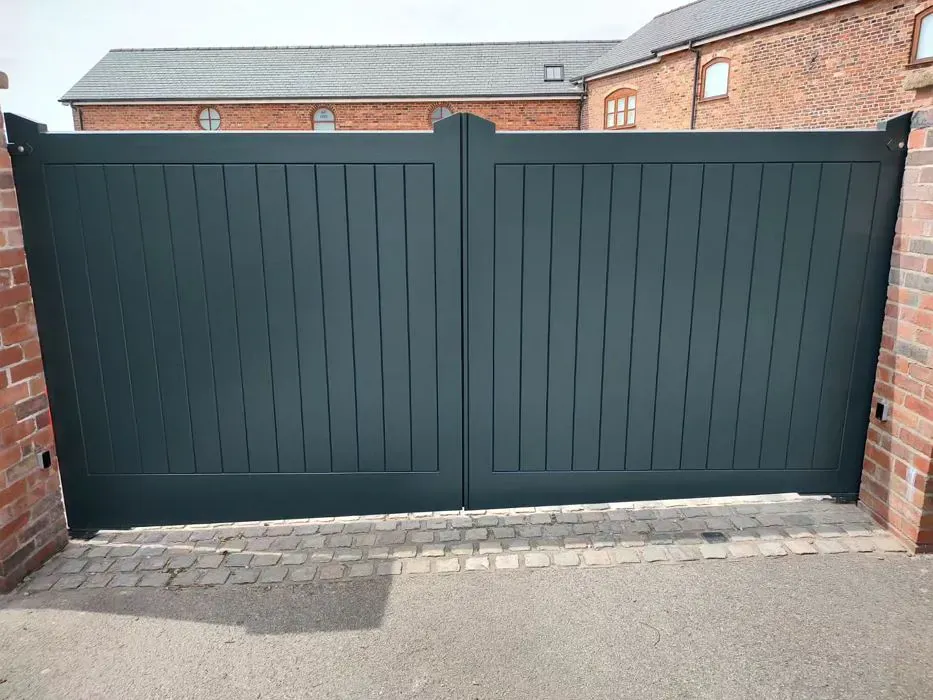
Source: plan-home.com
Imagine a living room with Studio Green walls, a dark-stained hardwood floor, and cream-colored linen sofas. The lighting is soft and warm, emanating from a brass floor lamp and candles on a coffee table. Accessories include woven baskets, ceramic vases, and a collection of antique books. The overall ambiance is one of quiet sophistication and relaxed comfort.Picture a kitchen with Studio Green cabinetry, white marble countertops, and brass hardware.
The space is bathed in natural light, highlighting the richness of the green and the elegance of the marble. A farmhouse sink and open shelving add to the kitchen’s charm. The overall ambiance is one of timeless elegance and understated luxury.Envision a bedroom with Studio Green walls, linen bedding in a soft grey, and natural wood accents. The room is filled with natural light, creating a calming and restful atmosphere.
A woven rug and a collection of potted plants add to the room’s warmth and character.Visualize a hallway painted in Studio Green, showcasing how it can create a sense of depth and sophistication. The color’s muted tones and subtle texture add visual interest, while the natural light streaming through a nearby window enhances the color’s richness.
Considerations for Different Architectural Styles
Studio Green complements traditional architectural styles beautifully. In Victorian and Georgian homes, it can enhance the period character, creating a sense of timeless elegance.In modern and contemporary interiors, Studio Green adds a touch of warmth and personality, preventing the space from feeling too sterile.For rustic or farmhouse aesthetics, Studio Green can create a cozy and inviting atmosphere, particularly when paired with natural materials like wood and stone.In period properties, it’s crucial to consider the existing features and ensure that the use of Studio Green complements and preserves the original character of the building.
Final Conclusion
Ultimately, Farrow & Ball Studio Green is a remarkably adaptable color, capable of transforming a space from a cozy bedroom to a sophisticated dining room. Understanding its undertones, how it interacts with light, and its complementary colors unlocks its full potential. Whether you’re seeking a calming retreat or a touch of understated elegance, Studio Green offers a timeless and versatile solution for creating a space that feels both grounded and refined.
It’s a color that rewards careful consideration and promises to bring a touch of enduring style to any home.
FAQ Guide
What are the undertones of Studio Green?
Studio Green has a complex mix of undertones, leaning towards grey-green with hints of blue. This makes it surprisingly versatile and less overtly “green” than many other shades.
What is the LRV of Studio Green?
The LRV (Light Reflectance Value) is 42. This means it absorbs a significant amount of light, creating a cozy and enveloping feel. It’s best suited for rooms with ample natural light or where a darker, more intimate atmosphere is desired.
What are the RGB, Hex, and CMYK values?
RGB: 128, 144, 104; Hex: 809068; CMYK: 45, 32, 63, 42
How does Studio Green look in different lighting?
Under natural light, Studio Green appears balanced and true to its color. Incandescent lighting can warm it slightly, bringing out the grey undertones. LED lighting can sometimes make it appear a bit cooler, so testing samples is crucial.
Can I use Studio Green in a small bathroom?
Yes, but strategically. Pair it with a glossy finish to reflect light and use lighter-colored towels and accessories to prevent the space from feeling too dark. Good ventilation is also key.
What’s the difference between Studio Green and French Gray?
While both are muted greens with grey undertones, Studio Green is noticeably deeper and more saturated. French Gray is lighter and more neutral, making it a safer choice for larger spaces or those seeking a more subtle effect.
