Choosing Colours for Kitchens A Guide to Style & Mood
Ever walked into a kitchen and felt instantly energized, or conversely, a little drained? Colour plays a huge role in that! It’s not just about aesthetics; kitchen colours impact our mood, appetite, and even how we perceive the space itself. From the avocado green craze of the 70s to the sleek greys of today, kitchen colour trends have evolved dramatically.
This guide dives deep into the psychology of colour, practical design tips, and future trends to help you create a kitchen you’ll love spending time in.
We’ll explore everything from calming neutral palettes to bold, vibrant hues, and how to coordinate colours with adjacent rooms and different kitchen styles. We’ll also tackle specific challenges like making a small kitchen feel larger and incorporating dark colours effectively. Get ready to unlock the power of colour and transform your kitchen into a stylish and functional heart of your home!
The Psychology of Kitchen Colour
Your kitchen isn’t just a place to cook; it’s the heart of many homes, a space where we gather, socialize, and fuel our bodies. The colours we choose for this vital room profoundly impact our mood, appetite, and overall sense of well-being. Let’s dive into the fascinating world of kitchen colour psychology and explore how to create a space that not only looks beautiful but also feels right.
The history of kitchen colour trends is a reflection of broader societal shifts. In the 1970s, avocado green and harvest gold reigned supreme, reflecting a love for earthy tones. The 80s saw a move towards brighter, bolder colours like turquoise and pink. The 90s brought a wave of beige and cream, emphasizing a more neutral and calming aesthetic. The 21st century has witnessed a resurgence of colour, with grey, navy, and even bolder hues gaining popularity.
Understanding this evolution helps us appreciate the cyclical nature of design and allows us to draw inspiration from the past while embracing contemporary trends.
Natural light is a crucial factor when selecting kitchen colours. A north-facing kitchen receives cooler, softer light, which can make darker colours feel even gloomier. In contrast, a south-facing kitchen bathed in warm sunlight can handle bolder, richer shades. Consider the intensity and direction of light when making your choices to ensure your kitchen feels bright and inviting.
Colour can dramatically alter the perceived size of a kitchen. Light colours, like white and pale grey, reflect light and create an illusion of spaciousness, making a small kitchen feel larger. Dark colours, on the other hand, absorb light and can make a room feel more intimate, which can be desirable in a larger kitchen. Careful colour placement can visually expand or contract a space.
Neutral Kitchen Colour Palettes
Neutral colour palettes offer a timeless and versatile foundation for any kitchen design. They provide a calming backdrop that allows other elements, like textures and accessories, to shine. Here, we’ll explore three distinct neutral schemes, each evoking a unique feeling, and delve into the nuances within each category.
Grey Kitchens: Sophistication and Calm
Grey has become incredibly popular in recent years, and for good reason. It’s sophisticated, versatile, and works well with a wide range of styles. A grey kitchen can feel modern, traditional, or even rustic, depending on the shade and accompanying materials. Different shades of grey evoke different moods. Warm greys have a touch of brown or beige, creating a cozy and inviting atmosphere.
Cool greys lean towards blue or green, offering a more contemporary and crisp feel.
Beige Kitchens: Warmth and Comfort
Beige kitchens exude warmth and comfort. They’re a classic choice that never truly goes out of style. Beige provides a soft, welcoming backdrop that’s easy on the eyes. Like grey, beige comes in various shades. Sandy beiges have a light, airy feel, while deeper, richer beiges create a more grounded and luxurious atmosphere.
White Kitchens: Cleanliness and Brightness
White kitchens are synonymous with cleanliness and brightness. They’re a timeless choice that always feels fresh and modern. White reflects light beautifully, making a kitchen feel larger and more open. However, it’s important to consider the undertones of white – some lean towards warm yellows, while others have a cool blue tint – to ensure it complements your other design elements.
| Colour | Pros & Cons |
|---|---|
| White | Pros: Bright, spacious, timeless, versatile. Cons: Can feel sterile, shows dirt easily, requires careful selection of undertones. |
| Cream | Pros: Warm, inviting, softens the look of white, hides dirt better. Cons: Can appear dated if not styled correctly, may not be as bright as white. |
| Light Grey | Pros: Sophisticated, versatile, hides dirt better than white, offers a modern feel. Cons: Can feel cold if not balanced with warm accents, may require more lighting. |
To elevate a neutral colour scheme, incorporate texture and metallic accents. Think textured cabinetry (e.g., shaker style with a slightly distressed finish), natural stone countertops, and brushed brass hardware. A woven rug, linen curtains, and ceramic accessories can add warmth and personality.
Bold & Vibrant Kitchen Colours
While neutrals offer a timeless appeal, bold and vibrant colours can inject personality and energy into a kitchen. However, using bold colours effectively requires careful planning and a keen eye for balance. Here, we’ll explore five bold colours suitable for kitchens and discuss how to incorporate them without overwhelming the space.
Five Bold Colour Choices
- Navy Blue: Evokes a sense of calm and sophistication.
- Emerald Green: Brings a touch of nature and luxury.
- Terracotta: Creates a warm, earthy, and inviting atmosphere.
- Mustard Yellow: Adds a pop of sunshine and cheerfulness.
- Deep Red: Creates a dramatic and passionate statement.
Effective Use of Bold Colours
Bold colours can be used in several ways: as an accent wall, on cabinetry, or even on appliances. An accent wall can add a focal point without committing to a full-colour transformation. Painting the lower cabinets a bold colour while keeping the upper cabinets white is a popular choice. For a truly daring look, consider painting the entire kitchen a bold colour, but be sure to balance it with plenty of neutral elements.
Balancing Bold Colours
To avoid overwhelming the space, balance a bold colour with neutral elements. Pair navy blue cabinets with white countertops and stainless steel appliances. Combine emerald green walls with light wood flooring and cream-coloured accents. The key is to create a harmonious balance between the bold colour and the more subdued elements.
Mood Board for a Vibrant Teal Kitchen
Imagine a kitchen with vibrant teal cabinetry, complemented by white quartz countertops and brushed nickel hardware. The walls are painted a soft grey to provide a neutral backdrop. Flooring is a light-toned wood, adding warmth and texture. Accessories include copper pots and pans, ceramic canisters in earthy tones, and a woven rug with teal accents. The overall feel is fresh, modern, and inviting, with a touch of bohemian flair.
Consider incorporating open shelving to display colourful dishware and plants, further enhancing the vibrant atmosphere.
Colour Combinations & Coordinating Shades
Combining colours effectively is essential for creating a visually appealing and harmonious kitchen. Understanding colour theory and applying design principles can elevate your kitchen from ordinary to extraordinary. Here, we’ll explore ten complementary colour pairings and detail how to use the 60-30-10 rule.
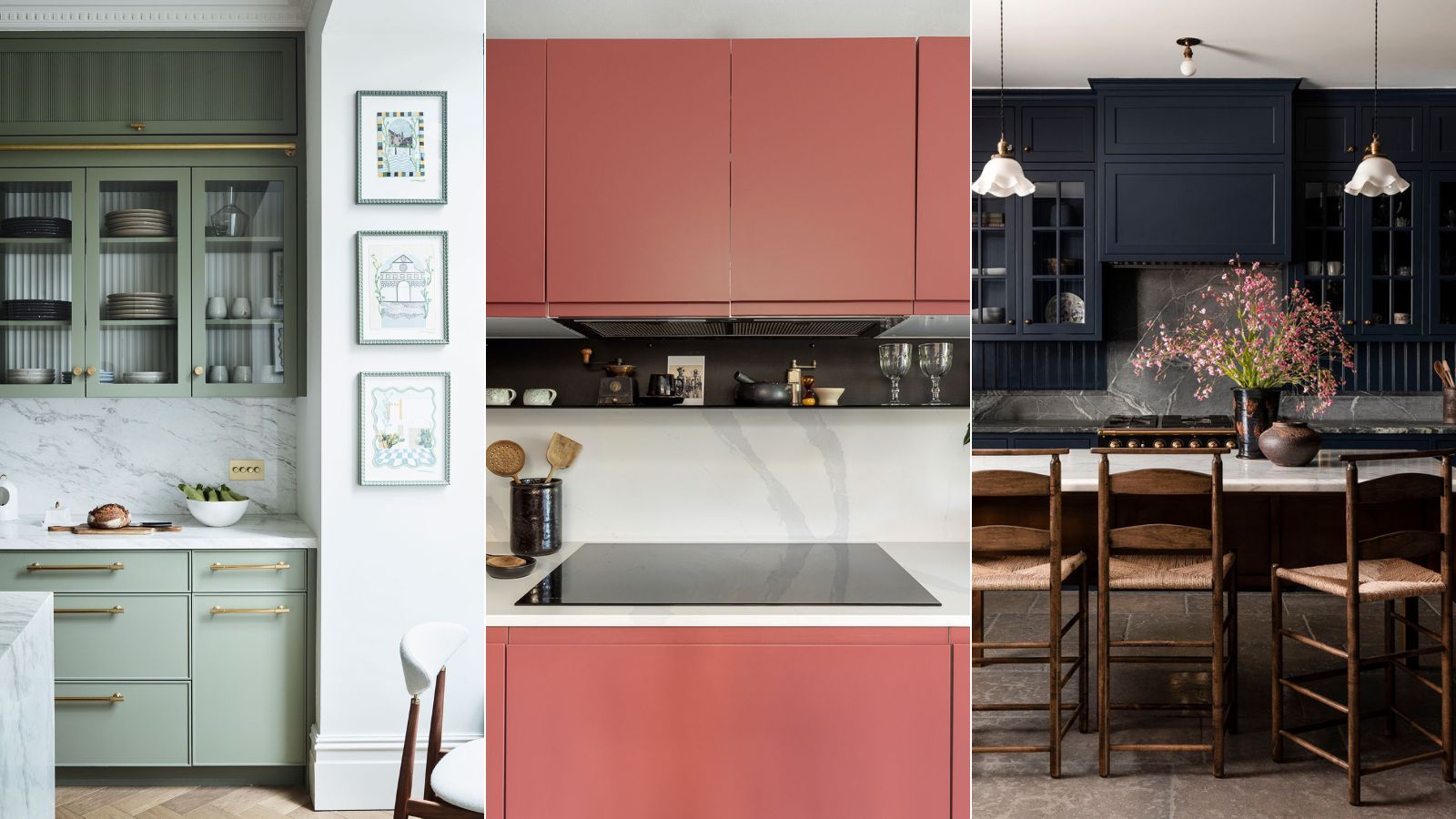
Ten Complementary Colour Pairings
Source: futurecdn.net
- Blue & Yellow
- Green & Pink
- Orange & Grey
- Red & White
- Purple & Gold
- Teal & Coral
- Brown & Beige
- Black & White
- Lime Green & Lavender
- Turquoise & Silver
The 60-30-10 Rule
The 60-30-10 rule is a simple guideline for balancing colours in a room. 60% of the room should be the dominant colour (often the walls), 30% should be a secondary colour (often cabinetry or upholstery), and 10% should be an accent colour (often accessories or artwork). This rule helps create a visually balanced and cohesive design.
| Harmony Type | Example Palette | Description |
|---|---|---|
| Complementary | Blue & Orange | Colours opposite each other on the colour wheel, creating a vibrant and dynamic contrast. |
| Analogous | Green, Yellow-Green, Yellow | Colours that are next to each other on the colour wheel, creating a harmonious and soothing effect. |
| Triadic | Red, Yellow, Blue | Three colours evenly spaced on the colour wheel, creating a balanced and playful palette. |
Coordinating kitchen colours with adjacent rooms creates a sense of flow and continuity throughout your home. If your dining room features warm earth tones, consider incorporating similar colours into your kitchen. If your living room is a cool grey, complement it with a kitchen palette that includes grey and lighter accents.
Colour & Kitchen Style
The colour choices you make should align with the overall style of your kitchen. A modern kitchen calls for different colours than a farmhouse kitchen. Here, we’ll explore how colour choices should complement various kitchen styles.
Modern Minimalist Kitchens
Modern minimalist kitchens often feature a neutral colour palette with pops of colour. Consider a base of white or grey, accented with black or a single bold colour like navy blue or emerald green. Keep the colour scheme simple and uncluttered.
Rustic Farmhouse Kitchens
Rustic farmhouse kitchens embrace warm, earthy tones. Think creamy whites, soft greys, and natural wood tones. Accents of sage green or muted blues can add a touch of colour without detracting from the overall rustic feel.
Coastal-Inspired Kitchens
A coastal-inspired kitchen should evoke the feeling of the beach. Incorporate blues, whites, and sandy tones. Consider a palette of pale blue walls, white cabinetry, and light wood flooring. Accents of coral or seafoam green can add a touch of vibrancy.
Adapting a colour scheme to suit a Victorian-era kitchen requires a focus on rich, saturated colours and intricate details. Deep jewel tones like emerald green, sapphire blue, and ruby red are appropriate, often paired with gold or brass accents. Consider incorporating patterned wallpaper or tilework to enhance the Victorian aesthetic.
Colour & Materials: Cabinets, Walls, and Countertops
The colour of your cabinets, walls, and countertops significantly impacts the overall kitchen aesthetic. Each element plays a crucial role in creating a cohesive and visually appealing space.
Impact of Cabinet Colour
Cabinet colour is often the dominant element in a kitchen, so choosing the right colour is essential. Dark cabinets can create a dramatic and sophisticated look, while light cabinets can make a kitchen feel brighter and more spacious. Consider the style of your kitchen and the overall mood you want to create when selecting cabinet colours.
Influence of Wall Colour
Wall colour influences the perceived brightness and spaciousness of the kitchen. Light colours reflect light, making a kitchen feel larger and more open. Dark colours absorb light, creating a more intimate and cozy atmosphere. Consider the amount of natural light your kitchen receives when choosing wall colours.
Countertop Colour Considerations
Choosing countertop colours that complement the cabinetry and walls is crucial for creating a harmonious design. Consider the undertones of each element and choose colours that work well together. For example, warm grey cabinets pair well with white or cream countertops, while navy blue cabinets look stunning with quartz countertops.
Highlighting Architectural Features
Use colour to highlight architectural features like crown molding, exposed beams, or a decorative fireplace. Painting crown molding a contrasting colour can add visual interest and elevate the overall design.
| Surface Type | Colour Options | Durability | Maintenance |
|---|---|---|---|
| Granite | Wide range of colours and patterns | Very durable, resistant to scratches and heat | Requires sealing periodically |
| Quartz | Consistent colours and patterns, less porous than granite | Highly durable, resistant to scratches and stains | Low maintenance, easy to clean |
| Laminate | Extensive range of colours and patterns, affordable | Less durable than granite or quartz, susceptible to scratches and heat | Easy to clean, but can be damaged by sharp objects |
| Wood | Natural wood tones, can be stained or painted | Durable with proper care, but susceptible to water damage | Requires regular sealing and maintenance |
Small Kitchen Colour Strategies
Maximizing space in a small kitchen is a common challenge. Colour can be a powerful tool for making a small kitchen appear larger and more inviting. Here, we’ll explore strategies for using colour to your advantage.
Making a Small Kitchen Appear Larger
Light colours are your best friend in a small kitchen. They reflect light and create an illusion of spaciousness. White, cream, and light grey are all excellent choices. Avoid dark colours, which can make a small kitchen feel cramped.
Maximizing Natural Light
Use light colours to maximize natural light in a small space. Pale walls and light-coloured cabinetry will reflect light and brighten the room. Consider using sheer curtains or blinds to allow as much natural light as possible to enter.
Strategic Accent Colours
Incorporate accent colours strategically in a small kitchen without overwhelming the space. A pop of colour on a single wall or in the form of accessories can add personality and visual interest without making the room feel smaller.
Vertical Stripes
Vertical stripes can create the illusion of height in a small kitchen. Consider using striped wallpaper or painting vertical stripes on the walls. This technique can visually elongate the room and make it feel taller.
Galley Kitchen Colour Scheme
For a galley kitchen, focus on creating a sense of flow and openness. Use a light colour palette throughout the kitchen, and consider using a single accent colour to tie the space together. Avoid using too many different colours, which can make the kitchen feel disjointed.
Dark Kitchen Colour Schemes
Dark colours in a kitchen can be challenging but incredibly rewarding. When executed correctly, a dark kitchen can feel dramatic, sophisticated, and luxurious. However, it’s crucial to balance dark colours with lighter accents and ample lighting.
Five Dark Colours That Work Well
- Charcoal Grey
- Deep Navy
- Forest Green
- Burgundy
- Black
Balancing Dark Colours
To balance dark colours, incorporate lighter accents and ensure ample lighting. Use white or cream countertops, light wood flooring, and metallic hardware to brighten the space. Install plenty of overhead lighting, under-cabinet lighting, and accent lighting to create a warm and inviting atmosphere.
Dramatic Dark Grey Kitchen
Imagine a kitchen with dark grey cabinetry, white quartz countertops, and brushed brass hardware. The walls are painted a soft grey to provide a subtle contrast. Flooring is a light-toned wood, adding warmth and texture. Install recessed lighting, pendant lights over the island, and under-cabinet lighting to illuminate the space. The overall feel is dramatic, sophisticated, and undeniably chic.
Incorporating Metallic Finishes
Metallic finishes, such as brass, copper, and gold, can elevate a dark kitchen. Use metallic hardware, lighting fixtures, and accessories to add a touch of glamour and warmth. These finishes reflect light and create a sense of luxury.
Colour Trends & Future Predictions
Kitchen colour trends are constantly evolving, reflecting broader design and lifestyle shifts. Staying informed about current trends can help you create a kitchen that feels fresh and modern.
Current Kitchen Colour Trends
- Earthy Tones: Greens, browns, and terracotta are gaining popularity.
- Muted Pastels: Soft pinks, blues, and greens offer a calming and sophisticated feel.
- Jewel Tones: Emerald green, sapphire blue, and ruby red add a touch of luxury and drama.
Emerging Colour Palettes
We’re seeing a shift towards more natural and sustainable colour palettes. Expect to see more colours inspired by nature, such as moss green, clay orange, and sandy beige. Biophilic design, which emphasizes the connection between humans and nature, is influencing colour choices.
Future Predictions
Future kitchen colour trends will likely be influenced by a desire for comfort, sustainability, and personalization. Expect to see more warm, inviting colours and a greater emphasis on natural materials. Technology will also play a role, with smart lighting systems allowing for customizable colour schemes.
Incorporating Trends into a Timeless Design
To incorporate current trends into a timeless kitchen design, focus on using neutral colours as a base and adding pops of colour through accessories and accents. This allows you to easily update the look of your kitchen without making major renovations.
Imagine a futuristic kitchen with walls painted a soft, moss green, complemented by cabinetry made from recycled materials in a warm beige tone. The countertops are made from a sustainable composite material with a subtle grey veining. Lighting is provided by energy-efficient LED strips that change colour based on the mood. The overall feel is calming, sustainable, and technologically advanced.
Closing Summary
Ultimately, choosing colours for your kitchen is a deeply personal decision. Whether you’re drawn to the timeless elegance of white, the warmth of earthy tones, or the drama of a dark grey scheme, understanding the principles of colour theory and how they interact with light, materials, and style is key. By considering the psychology of colour, experimenting with different combinations, and embracing your own unique taste, you can create a kitchen that’s not only beautiful but also a joy to cook and gather in for years to come.
So, take a deep breath, gather some inspiration, and get ready to paint your dream kitchen! The possibilities are endless, and with a little planning, you can achieve a space that perfectly reflects your personality and lifestyle.
Essential FAQs
What’s the best colour to make a kitchen look bigger?
Light, airy colours like white, cream, and pale grey are your best bet. They reflect light, making the space feel more open and spacious. Using the same colour on walls and cabinets can also blur boundaries and create a sense of continuity.
Can I use dark colours in a small kitchen?
Yes, but strategically! Balance dark colours with plenty of light – both natural and artificial. Use dark colours on a single accent wall or lower cabinets, and keep the upper cabinets and walls lighter. Metallic accents can also help bounce light around.
How do I choose a countertop colour that complements my cabinets?
Consider the undertones of both the cabinets and the countertops. Warm cabinets (like honey oak) pair well with warm countertops (like granite with golden hues), while cool cabinets (like grey) look great with cool countertops (like quartz with blue or grey veining).
What’s the 60-30-10 rule in kitchen design?
It’s a guideline for colour balance! 60% of the room should be your dominant colour (often wall colour), 30% a secondary colour (like cabinets), and 10% an accent colour (like accessories or a backsplash).
Should my kitchen colours match the adjacent rooms?
Not necessarily, but it’s good to consider the flow. You don’t want a jarring contrast. Pulling in a subtle accent colour from the living room or dining room can create a cohesive feel.
What colours are trending in kitchen design right now?
Earthy tones like sage green and terracotta are very popular, along with muted pastels and jewel tones like emerald green and sapphire blue. Warm neutrals are also making a comeback.
How can I use texture to enhance a neutral kitchen?
Texture adds depth and interest! Think wood grain cabinets, a textured backsplash (like subway tile or stone), woven window treatments, or even textured paint finishes.
What’s the best way to create a mood board for a kitchen?
Gather images of kitchens you love, fabric swatches, paint chips, and material samples. Arrange them on a board (physical or digital) to visualize the overall look and feel. Pay attention to colour harmony and how different elements work together.
Are there specific colours that are known to stimulate appetite?
Yes! Warm colours like red, orange, and yellow are often associated with appetite. However, use them sparingly as accents, as too much can be overwhelming.
