1 Hotel Tokyo Opens in Akasaka, First in Japan
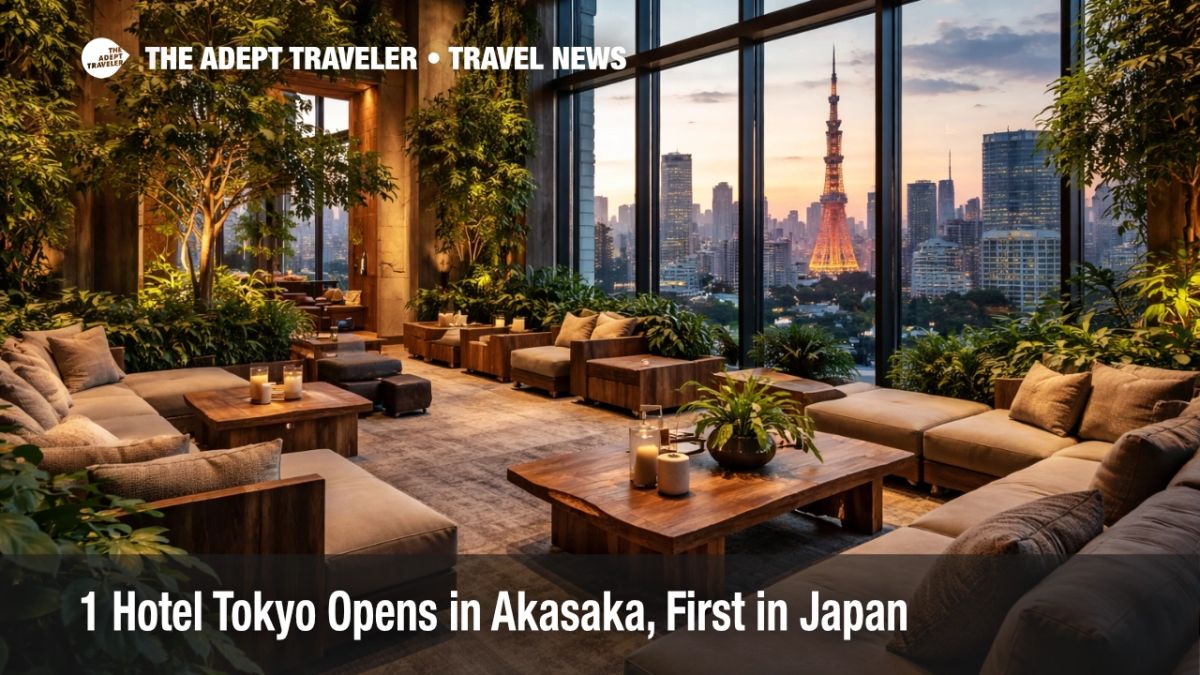
1 Hotel Tokyo Opens in Akasaka, First in Japan

1 Hotel Tokyo opened in Tokyo, Japan, on March 5, 2026, giving the brand its first property in Japan and adding a new 211 room luxury option high inside Akasaka Trust Tower. The opening matters most for travelers booking premium Tokyo stays this spring, because it combines a central business district location, direct rail access, wellness heavy amenities, and a sustainability pitch that is still unusual at this end of the market. The high level takeaway is simple, this is a strong fit if you want a calmer, design driven base in central Tokyo, but less compelling if your trip revolves around points maximization or being in the middle of Shibuya style nightlife.
Pembukaan 1 Hotel Tokyo membawa para tamu ke Akasaka di 2-17-22 Akasaka, di dalam Tokyo World Gate Akasaka, dengan hotel diposisikan di atas perkantoran, ritel, dan ruang publik dalam menara serba guna yang terhubung langsung ke Stasiun Tameike-sanno dan Stasiun Kokkai-gijidomae. Dalam istilah perjalanan praktis, hal ini berarti pergerakan lebih mudah melintasi pusat kota Tokyo dibandingkan menara mewah yang lebih terisolasi, terutama bagi wisatawan yang menyeimbangkan pertemuan, bersantap, dan perjalanan metro singkat daripada memperlakukan hotel hanya sebagai resor tujuan.
1 Hotel Tokyo Opening, What Is Actually New
What is new is not just the flag on the door. Starwood says this is the official Japan debut for 1 Hotels, and the property is not a conversion of a small existing boutique hotel, it is a full scale entry with 211 guestrooms, including 24 suites and three penthouses, spread across floors 38 through 43 of Akasaka Trust Tower. The official launch positions the hotel around biophilic design, Japanese craft references, city views, and a planet first operating model.
For travelers, the more useful details are the ones that affect how a stay feels day to day. The hotel’s official site confirms skyline views, sustainable cuisine, a bar and lounge, wellness spa, indoor pool and saunas, in room wellness, and meetings space, while the launch materials highlight three food and beverage venues and a Bamford Wellness Spa. That means 1 Hotel Tokyo is trying to compete as a full service urban luxury hotel, not just as a design headline with a nice lobby and thin on property programming.
Who This New Tokyo Luxury Hotel Best Fits
This hotel looks best for travelers who want central Tokyo access without sleeping on top of the city’s loudest tourist zones. Mori Trust says the tower is directly connected to two major stations and within reach of four stations and five lines, while 1 Hotels positions Akasaka as a base near both commercial energy and quieter green space. That combination should work well for business travelers, luxury leisure travelers who value spa and dining depth, and repeat visitors who want efficient cross city movement more than they want to stay directly in Shibuya or Ginza.
It is also a strong fit for travelers who actively care about hotel design and environmental performance, not just room count or brand status. The hotel’s official materials say it earned CASBEE Rank S, described by the property and launch materials as Japan’s highest sustainability certification tier, and they point to reclaimed materials, energy and water systems, refill stations, and filtered water taps in rooms. That will not matter equally to every guest, but for travelers specifically seeking lower waste luxury stays, it is one of the clearest differentiators in the launch.
The tradeoff is that this is unlikely to be the best fit for travelers hunting value first, or for those who want a hotel whose main advantage is loyalty redemption leverage. Nothing in the official launch suggests a mass market opening strategy. The pitch is design, wellness, dining, and sustainability in a prime tower location, which usually means you should book it because that specific combination matches the trip, not because you expect a broad opening discount window. That is an inference from the property’s published positioning, not a published pricing forecast.
How Travelers Should Plan Around It
If this hotel is the reason for the Tokyo stay, book early around the exact neighborhood value, not just the brand name. Akasaka works best when your itinerary benefits from central positioning and easy metro access. If your highest priority is nightlife on foot, youth oriented shopping districts, or lower nightly spend, you should compare neighborhoods before locking in the booking. If your priority is a quieter luxury base with views, wellness, and strong transit geometry, this property makes more sense.
Travelers should also think beyond the guest room. The hotel is selling a full stack experience, dining, spa, indoor pool, and event space, so the value case improves if you will actually use those amenities rather than treat the hotel as a place to sleep between long days elsewhere. If you are landing late, departing early, and spending most waking hours across other neighborhoods, you may be paying for features you will barely touch.
The next planning threshold is transportation. Because the tower is directly connected to two stations and has access to multiple metro lines, it is easier to justify for trips with mixed business and leisure movement across Tokyo. That same advantage matters if weather turns bad, if you are carrying luggage between city hotels, or if the trip includes short notice schedule changes. In a city where location mistakes can quietly add friction every day, good station connectivity is not a minor amenity, it is part of the product.
Why This Launch Matters in Tokyo’s Hotel Market
The broader significance is that Tokyo keeps attracting new upper tier hotel investment even as the city’s luxury market gets more crowded. 1 Hotels is not entering Japan with a beach resort or a secondary city test case, it chose central Tokyo and a flagship style urban tower opening with a local real estate partner in Mori Trust. That signals confidence that travelers will pay for a hotel product built around sustainability, wellness, and design in one of Asia’s most competitive premium lodging markets.
Mekanismenya juga penting. Menara serba guna seperti Tokyo World Gate Akasaka menyebarkan nilai perjalanan lebih dari sekedar ruangan itu sendiri, karena menara tersebut menggabungkan permintaan kantor, lalu lintas makanan dan minuman, ruang publik yang dapat dilalui dengan berjalan kaki, dan akses kereta api. Urutan pertama, yang dapat menjadikan hotel lebih bermanfaat bagi tamu yang membutuhkan pergerakan efisien dan fasilitas yang dipoles di lokasi. Urutan kedua, hal ini dapat menjadikan kawasan sekitar lebih menarik untuk pertemuan, penginapan mewah jangka pendek, dan perjalanan liburan bisnis campuran, karena properti ini tidak beroperasi sebagai kotak perhotelan yang terisolasi.
That is why the 1 Hotel Tokyo opening is more than another upscale opening announcement. It gives travelers a specific new option in a specific part of the city, with a clearly defined design and sustainability identity. If that identity matches the trip, especially for spring and early summer Tokyo planning, this is the kind of opening worth acting on early rather than leaving to the last hotel search tab.
