Colour Schemes for Kitchens Designing Your Dream Space
Choosing the right colour scheme for your kitchen is more than just picking a pretty shade – it’s about crafting a space that feels inviting, functions well, and reflects your personal style. From influencing your mood and appetite to impacting how large your kitchen appears, colour plays a surprisingly powerful role. Over the last decade, we’ve seen a fascinating shift in kitchen colour trends, moving from stark minimalism to warmer, more layered palettes, and everything in between.
This guide dives deep into the world of kitchen colour, exploring the fundamentals of colour theory, showcasing timeless and modern schemes, and offering practical advice for maximizing space and light. We’ll break down classic combinations like cream and beige, explore bold choices like red and white, and consider how different kitchen styles – from farmhouse to coastal – can inform your colour decisions.
Understanding how lighting interacts with colour is also key, so we’ll cover that too, along with tips for using accent colours and materials to create a truly cohesive and beautiful kitchen.
The Importance of Kitchen Colour
Your kitchen is more than just a place to cook; it’s often the heart of the home, a gathering spot, and a reflection of your personal style. Colour plays a surprisingly significant role in shaping that space. It’s not just about aesthetics; colour impacts how you feel, how your appetite is affected, and even how large the room appears. Over the last decade, we’ve seen a shift away from stark, all-white kitchens towards warmer, more layered palettes, with a growing appreciation for earthy tones and bolder accents.
Let’s dive into how colour can transform your kitchen.
Colour psychology is at play here. Warm colours like reds and yellows tend to stimulate appetite and create a cozy, inviting atmosphere. Cool colours like blues and greens, on the other hand, can be calming and promote a sense of spaciousness. The perceived size of a kitchen is also heavily influenced by colour; lighter colours reflect light, making a room feel larger, while darker colours absorb light, creating a more intimate, potentially smaller feel.
The evolution of trends has been fascinating, moving from the dominance of cool greys and whites to a resurgence of warmer neutrals and pops of colour.
Understanding Colour Theory Basics for Kitchens
Before you start swatching, a basic understanding of colour theory is helpful. The colour wheel is your guide, illustrating the relationships between colours. Complementary colours (opposite each other on the wheel, like red and green) create a vibrant contrast, while analogous colours (next to each other, like blue and green) offer a more harmonious, blended look. Knowing this helps you create balanced and visually appealing schemes.
Warm colours – reds, oranges, and yellows – generally evoke feelings of energy, warmth, and excitement. They’re great for creating a lively and inviting kitchen. Cool colours – blues, greens, and purples – tend to be more calming, serene, and spacious. They work well in kitchens where you want a relaxing and tranquil atmosphere. The saturation (intensity) and brightness of a colour also matter.
Highly saturated colours are bold and eye-catching, while muted colours are more subtle and understated. Bright colours reflect more light, while darker colours absorb it.
| Colour | Category | Associated Feelings |
|---|---|---|
| Red | Primary | Energetic, Passionate, Stimulating |
| Blue | Primary | Calming, Peaceful, Trustworthy |
| Yellow | Primary | Cheerful, Optimistic, Warm |
| Green | Secondary | Natural, Refreshing, Harmonious |
| Orange | Secondary | Enthusiastic, Creative, Playful |
| Purple | Secondary | Luxurious, Mysterious, Creative |
| Brown | Tertiary | Earthy, Grounded, Reliable |
| Pink | Tertiary | Gentle, Sweet, Romantic |
Classic & Timeless Kitchen Colour Schemes
Certain colour schemes have stood the test of time, offering a blend of elegance and versatility. These schemes provide a solid foundation for any kitchen design, easily adaptable to different styles and trends.
Cream & Beige
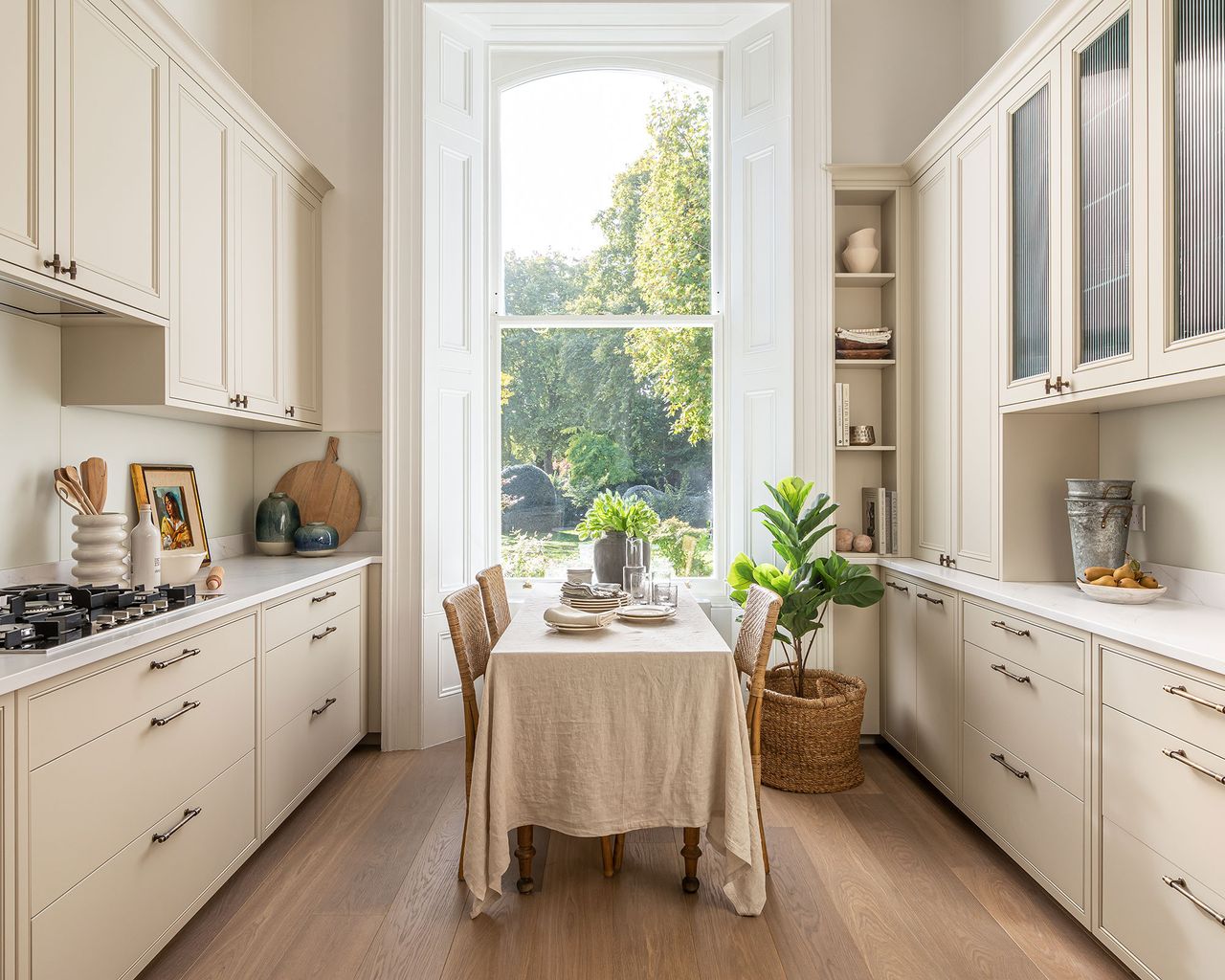
A cream and beige scheme is the epitome of understated elegance. Variations within this palette are endless – from soft creams to rich beiges, allowing for a range of moods. Accent colours like soft greens, blues, or even a touch of copper can add visual interest. This scheme works beautifully in farmhouse kitchens, creating a warm and inviting atmosphere, or in traditional kitchens, lending a sense of timeless sophistication.
Imagine cream cabinetry paired with beige walls, accented by brushed brass hardware and a butcher block countertop – a truly classic combination.
White & Grey
The white and grey scheme is a modern classic, offering a clean and sophisticated look. The key is to explore the nuances within each colour. Different shades of white – from crisp, bright whites to warmer, off-whites – can dramatically alter the feel of the space. Similarly, grey comes in countless shades, from light dove grey to deep charcoal. Pairing white cabinetry with grey walls, and incorporating natural wood elements like a walnut island, creates a balanced and contemporary aesthetic.
Stainless steel appliances and sleek, minimalist hardware complete the look.
Navy & White
Source: futurecdn.net
Navy and white is a striking yet timeless combination. Choosing the right navy shade is crucial – a deep, saturated navy feels more dramatic, while a lighter, softer navy is more approachable. Crisp white trim provides a sharp contrast, highlighting architectural details. Complementary hardware finishes like brushed nickel or antique brass add a touch of personality. This scheme is particularly effective in kitchens with good natural light, as the navy can absorb light.
Consider navy lower cabinets with white upper cabinets and a marble countertop for a luxurious feel.
Incorporating natural wood tones into any of these classic schemes adds warmth and texture. A butcher block countertop, wooden shelving, or even a simple wooden cutting board can soften the overall look and create a more inviting space.
Modern & Contemporary Colour Palettes
Modern kitchens often embrace bolder and more unexpected colour combinations, reflecting a desire for individuality and innovation. These palettes prioritize clean lines, minimalist aesthetics, and a focus on materials.
Black, White & Copper
The black, white, and copper scheme is a dramatic and sophisticated choice. The use of copper accents – in lighting fixtures, hardware, or even a backsplash – adds warmth and a touch of industrial chic. Suitable countertop materials include quartz or concrete, which complement the modern aesthetic. Lighting is crucial in this scheme; warm-toned LED lighting helps to soften the starkness of the black and white and highlight the copper accents.
Imagine black cabinetry, white walls, and a copper pendant light over a concrete island – a truly striking combination.
Green & Grey
The green and grey scheme is a calming and nature-inspired palette. Different green tones – from sage and olive to emerald – offer a range of moods. Pairing these greens with natural materials like wood and stone creates a harmonious and organic feel. Integrating plants into the kitchen design further enhances the connection to nature. A sage green island paired with grey cabinetry and a marble countertop creates a serene and sophisticated space.
Blue & Yellow
The blue and yellow scheme is a vibrant and cheerful combination, but requires careful balancing. Specific blue and yellow shades are key – a muted, dusty blue paired with a soft, buttery yellow creates a sense of serenity, while brighter shades can feel more energetic. The layout of the kitchen also plays a role; a well-defined layout can help to contain the vibrancy of the colours.
Consider a muted blue island with yellow bar stools and white cabinetry for a balanced and inviting look.
| Scheme | Perceived Warmth | Brightness | Suitability for Different Kitchen Sizes |
|---|---|---|---|
| Black, White & Copper | Cool | Medium | Best for larger kitchens; can feel cramped in small spaces |
| Green & Grey | Neutral | Low | Versatile; works well in both small and large kitchens |
| Blue & Yellow | Warm | Medium-High | Best for medium to large kitchens; can be overwhelming in small spaces |
Bold & Vibrant Kitchen Colour Schemes
For those who aren’t afraid to make a statement, bold and vibrant colour schemes can transform a kitchen into a truly unique and memorable space. However, these schemes require careful planning and execution to avoid overwhelming the space.
Red & White
Red is a powerful colour that evokes feelings of energy and passion. Using red as an accent colour – in a backsplash, range hood, or accessories – is generally more effective than painting the entire kitchen red. This scheme works well in Tuscan or Mediterranean-inspired kitchens, adding a touch of warmth and vibrancy. Potential pitfalls include red feeling overwhelming or dated if not used carefully.
Balance is key – pair red accents with plenty of white space to create a visually appealing and harmonious look.
Orange & Brown
The orange and brown scheme is a warm and earthy combination. Exploring different orange shades – from burnt orange to terracotta – adds depth and interest. Pairing orange with wood tones creates a cozy and inviting atmosphere. Appropriate lighting is crucial to avoid a dated look; warm-toned LED lighting helps to enhance the richness of the colours. Consider burnt orange lower cabinets with brown walls and a wood countertop for a rustic and inviting feel.
Purple & Grey
The purple and grey scheme is a sophisticated and luxurious combination. Specific purple shades – from lavender to plum – offer a range of moods. Pairing purple with metallic accents like silver or gold adds a touch of glamour. Suitable kitchen accessories include purple towels, artwork, and even a purple range hood. A plum island paired with grey cabinetry and silver hardware creates a dramatic and elegant space.
Using bold colours effectively requires restraint. Focus on a few key accent areas and balance them with neutral colours to prevent the space from feeling overwhelming. Consider the overall style of the kitchen and choose colours that complement the existing design elements.
Conclusion
Ultimately, designing a kitchen with the perfect colour scheme is about finding a balance between aesthetics and functionality. Whether you’re drawn to the warmth of natural wood tones, the crispness of white and grey, or the vibrancy of blue and yellow, there’s a palette out there that will transform your kitchen into the heart of your home. By understanding the principles we’ve explored – from colour theory to lighting considerations – you can confidently create a space that’s both visually stunning and perfectly suited to your lifestyle.
So, take a look around, gather inspiration, and get ready to paint your dream kitchen! Remember to consider your personal preferences, the existing architecture of your space, and the overall feeling you want to create. Happy decorating!
FAQ Section
What’s the best colour to make a small kitchen look bigger?
Light, airy colours like white, cream, and pale grey are your best bet. They reflect light, making the space feel more open and expansive. Adding reflective surfaces like glossy tiles or a mirrored backsplash can also help.
How do I choose accent colours that work well together?
Start with your main colour scheme and then look for colours that are complementary (opposite each other on the colour wheel) or analogous (next to each other). Consider using a colour palette generator online for inspiration.
Does the type of lighting affect how colours look in my kitchen?
Absolutely! Warm lighting (incandescent) will make colours appear warmer and more muted, while cool lighting (LED) will make them appear brighter and more vibrant. It’s best to test paint samples under your kitchen’s lighting conditions before committing.
What colours are best for a farmhouse-style kitchen?
Think warm, earthy tones like cream, beige, sage green, and soft blues. Pair these with natural materials like wood and shiplap for an authentic farmhouse feel.
Can I use bold colours in a small kitchen without it feeling overwhelming?
Yes, but use them strategically! Consider using a bold colour as an accent wall or on a kitchen island, rather than painting the entire space. Balance the bold colour with plenty of light neutrals.
What’s the best way to incorporate natural wood tones into a colour scheme?
Wood tones add warmth and texture. Use them in cabinetry, flooring, or open shelving. Consider the wood’s undertone (warm or cool) and choose colours that complement it.
