Green Colored Bathrooms A Refreshing Design Guide
There’s something undeniably calming and restorative about a green bathroom. From the lush tranquility of a rainforest to the vibrant energy of a spring meadow, green evokes a connection to nature that’s perfect for a space dedicated to relaxation and self-care. But designing a green bathroom isn’t as simple as just slapping on some green paint! It requires careful consideration of shades, materials, lighting, and how to best integrate natural elements to achieve a truly harmonious and inviting space.
This guide dives deep into the world of green bathroom design, exploring its history, psychology, practical tips, and sustainable options to help you create the bathroom of your dreams.
We’ll journey through centuries of design, uncovering how green has been used in bathrooms from ancient Roman baths to modern minimalist spaces. We’ll also explore the fascinating psychological impact of different green tones, from the soothing serenity of sage to the invigorating freshness of mint. Beyond color, we’ll cover material choices, lighting strategies, and how to seamlessly blend your green bathroom with the rest of your home, all while keeping sustainability in mind.
The Historical Significance of Green in Bathroom Design
Green, often associated with nature, tranquility, and renewal, has held a complex and evolving role in interior design throughout history. Its application in bathroom spaces, in particular, reflects shifting societal perceptions of hygiene, luxury, and the desired atmosphere for personal care. From the opulent Roman baths to the minimalist modern bathrooms of today, the use of green has been a subtle indicator of cultural values and design trends.
This exploration delves into the historical journey of green in bathroom design, examining how its meaning and application have transformed across different eras.
Ancient Roman Baths and the Dawn of Green Integration
The earliest examples of green in bathroom-like spaces can be traced back to ancient Roman baths. While not strictly “bathrooms” as we understand them today, these elaborate complexes were central to Roman social and hygiene practices. Green, in the form of natural stone like serpentine and verd antique, was incorporated into the architecture and decorative elements. These stones, prized for their unique green hues, were often used in flooring, wall panels, and even sculpted details.
The Romans valued these stones not only for their aesthetic appeal but also for their perceived connection to nature and the earth. The use of green in these spaces wasn’t about creating a specific “green bathroom” aesthetic, but rather about integrating natural materials to enhance the overall sensory experience and convey a sense of luxury and sophistication. The prevalence of green in Roman baths also subtly reflected the Roman Empire’s vast reach and access to resources from across their territories, showcasing wealth and power.
Imagine a large, vaulted room with polished serpentine floors reflecting the light from strategically placed skylights, creating a cool and calming atmosphere. The presence of verd antique columns, subtly veined with green, would have further emphasized the space’s grandeur and connection to the natural world.
The Victorian Era: Green as a Symbol of Wealth and Botanical Influence
The Victorian era (1837-1901) witnessed a significant shift in the use of color, including green, in interior design. The Industrial Revolution brought about mass production of dyes and wallpapers, making a wider range of colors accessible to the middle class. Green, particularly shades like emerald, forest, and olive, became incredibly popular, symbolizing wealth, prosperity, and a connection to the burgeoning Victorian fascination with botany and the natural world.
Bathrooms, though still relatively rudimentary compared to modern standards, began to emerge as dedicated spaces within the home. Green wallpaper adorned the walls, often featuring intricate floral patterns and botanical illustrations. Cast iron bathtubs were frequently painted in shades of green, and ceramic tiles in similar hues were used for flooring and wainscoting. The Victorian obsession with ferns and other houseplants further reinforced the association of green with nature and tranquility.
A typical Victorian bathroom might feature a deep green clawfoot tub surrounded by patterned wallpaper depicting lush foliage. The room would be lit by gas lamps, casting a warm glow on the green surfaces and creating a cozy, intimate atmosphere. The use of green in this context wasn’t merely decorative; it was a deliberate statement of social status and a reflection of the Victorian era’s romanticized view of nature.
The Art Deco Period: Emerald and Jade – Glamour and Modernity
The Art Deco period (1920s-1930s) brought a new level of glamour and modernity to bathroom design, and green continued to play a significant role. However, the shades of green shifted towards richer, more jewel-toned hues like emerald, jade, and malachite. These colors were often paired with luxurious materials such as marble, chrome, and lacquer, creating a sense of opulence and sophistication.
Bathrooms became increasingly streamlined and geometric, reflecting the Art Deco aesthetic. Green tiles, often in intricate mosaic patterns, were used extensively, and green marble countertops and vanities added a touch of luxury. The influence of exotic locales, such as Egypt and the Far East, was also evident in the use of green, with jade and malachite evoking images of ancient treasures and faraway lands.
Picture a bathroom with walls clad in emerald green mosaic tiles, accented by chrome fixtures and a sleek, geometric vanity. A large, rectangular mirror framed in polished wood would reflect the light, creating a sense of spaciousness and glamour. The overall effect would be one of understated elegance and modern sophistication.
Mid-Century Modern: Sage and Olive – Simplicity and Natural Harmony
The Mid-Century Modern era (1940s-1960s) embraced a more minimalist and functional approach to design, and green continued to be a popular choice for bathrooms. However, the shades of green shifted towards softer, more muted tones like sage, olive, and seafoam. These colors were often used in conjunction with natural materials such as wood and stone, creating a sense of harmony and tranquility.
Bathrooms became more integrated with the surrounding living spaces, and the emphasis was on creating a relaxing and rejuvenating environment. Green tiles, often in simple geometric patterns, were used for flooring and walls, and green accents, such as towels and bath mats, added a touch of color. The overall aesthetic was one of understated elegance and natural simplicity. Imagine a bathroom with pale sage green walls, a teak wood vanity, and a terrazzo floor.
Large windows would allow natural light to flood the space, creating a bright and airy atmosphere. The focus was on functionality and comfort, with a subtle nod to the natural world.
| Era | Dominant Green Shades | Associated Design Styles |
|---|---|---|
| Ancient Roman Baths | Serpentine, Verd Antique (natural stone variations) | Roman Architecture, Naturalistic Decoration |
| Victorian Era | Emerald, Forest, Olive | Victorian, Gothic Revival, Aesthetic Movement |
| Art Deco Period | Emerald, Jade, Malachite | Art Deco, Streamlined Moderne |
| Mid-Century Modern | Sage, Olive, Seafoam | Mid-Century Modern, Scandinavian Modern |
Exploring the Psychological Impact of Different Green Tones in Bathrooms
The color green is intrinsically linked to nature, growth, and tranquility. Its presence in a bathroom isn’t merely an aesthetic choice; it’s a deliberate manipulation of psychology, capable of profoundly influencing mood and perceived atmosphere. Understanding how different shades of green affect our emotions allows for a more intentional and impactful bathroom design, moving beyond simple color preference to create a space that actively supports well-being.
This exploration delves into the nuances of various green tones and their psychological effects, demonstrating how strategic color selection can transform a bathroom into a sanctuary or an invigorating space.The connection between green and feelings of relaxation, rejuvenation, and connection to the natural world stems from our evolutionary history. Green is the dominant color of forests and grasslands, environments historically associated with safety, abundance, and rest.
Our brains are wired to respond positively to green, perceiving it as a signal of health and vitality. However, not all greens are created equal. The specific hue significantly alters the emotional response. A vibrant, almost neon green will elicit a very different feeling than a muted, earthy olive green. The saturation, brightness, and undertones (whether warm or cool) all contribute to the overall psychological impact.
Consider, for example, the difference between a lush, tropical rainforest and a dry, grassy plain – both are green, yet they evoke distinct feelings. Similarly, in bathroom design, careful consideration of these factors is crucial for achieving the desired atmosphere. A spa-like retreat might benefit from calming, cool greens, while a more energetic space could incorporate warmer, brighter shades.
Emerald Green: Luxury and Vitality
Emerald green, a deep, jewel-toned shade, evokes feelings of luxury, sophistication, and abundance. Its richness and depth create a sense of opulence, reminiscent of precious gemstones and lush, tropical foliage. In a bathroom, emerald green can be used to create a dramatic and indulgent atmosphere. Imagine a bathroom with dark emerald green tiles, accented by gold fixtures and plush, cream-colored towels.
The effect is undeniably luxurious and creates a feeling of being pampered. However, it’s important to balance emerald green with lighter elements to prevent the space from feeling too dark or overwhelming. Incorporating natural light and reflective surfaces, such as mirrors and polished chrome, can help to brighten the space and maintain a sense of airiness. The association with wealth and prosperity also subtly influences perception, potentially making the bathroom feel like a private, exclusive retreat.
Sage Green: Serenity and Balance
Sage green, a muted, grayish-green, is known for its calming and grounding properties. It’s a color that promotes feelings of peace, tranquility, and balance. This makes it an excellent choice for bathrooms intended as spaces for relaxation and self-care. A bathroom painted in sage green, with natural wood accents and soft lighting, can feel like a serene oasis. The subtle gray undertones prevent it from feeling overly vibrant, creating a sense of understated elegance.
Sage green is also associated with healing and restoration, further enhancing its suitability for a bathroom environment. It’s a color that encourages mindfulness and allows for a sense of detachment from the stresses of daily life.
Olive Green: Earthiness and Stability
Olive green, a warm, earthy shade, connects us to nature and evokes feelings of stability, resilience, and groundedness. It’s a color that feels both comforting and sophisticated. In a bathroom, olive green can create a sense of warmth and intimacy. Think of a bathroom with olive green walls, terracotta tiles, and copper fixtures. The overall effect is rustic and inviting.
Olive green is also associated with wisdom and knowledge, subtly influencing the perception of the space as a place of reflection and rejuvenation. It’s a particularly good choice for bathrooms that aim to create a connection to the outdoors, bringing a touch of the natural world indoors.
Mint Green: Freshness and Vitality
Mint green, a pale, cool green with a hint of blue, is associated with freshness, cleanliness, and vitality. It’s a color that evokes feelings of optimism and renewal. A bathroom featuring mint green accents, such as towels, shower curtains, or vanity cabinets, can feel bright, airy, and invigorating. The coolness of the color helps to create a sense of spaciousness, while the subtle vibrancy adds a touch of energy.
Mint green is often used in healthcare settings due to its calming and refreshing qualities, making it a suitable choice for bathrooms where a sense of cleanliness and well-being is paramount.
Forest Green: Depth and Renewal
Forest green, a deep, rich green reminiscent of dense woodlands, inspires feelings of depth, renewal, and connection to the natural world. It’s a powerful color that can create a dramatic and immersive atmosphere. A bathroom incorporating forest green elements, such as a painted accent wall or dark green cabinetry, can feel like a secluded retreat. The depth of the color creates a sense of privacy and intimacy.
Forest green is also associated with growth and abundance, subtly influencing the perception of the space as a place of rejuvenation and restoration. However, like emerald green, it’s important to balance forest green with lighter elements to prevent the space from feeling too dark or enclosed.
- Emerald Green: Associated with luxury, wealth, vitality, and sophistication. It can create a dramatic and opulent atmosphere, but requires careful balancing with lighter elements.
- Sage Green: Promotes serenity, balance, and tranquility. Ideal for creating a calming and restorative bathroom environment.
- Olive Green: Evokes feelings of earthiness, stability, and connection to nature. Creates a warm and inviting atmosphere.
- Mint Green: Associated with freshness, cleanliness, and vitality. Brightens and invigorates the bathroom space.
- Forest Green: Inspires feelings of depth, renewal, and connection to the natural world. Creates a secluded and immersive atmosphere.
“Color is a powerful tool that can be used to influence mood and behavior. In bathroom design, the strategic use of green can transform a functional space into a sanctuary for relaxation and rejuvenation.”
Material Choices that Complement a Green Bathroom Palette
Creating a truly stunning green bathroom isn’t just about choosing the right shade of green paint; it’s about carefully curating the materials that surround it. The interplay of textures, finishes, and complementary colors can elevate a green bathroom from pleasant to exceptional. This guide explores a range of materials that harmonize beautifully with green, offering practical advice and cost considerations to help you design a space that’s both visually appealing and functional.The selection of materials significantly impacts the overall mood and style of a green bathroom.
A matte finish evokes a sense of tranquility and naturalism, while glossy surfaces introduce a touch of luxury and vibrancy. Natural materials like wood and stone ground the space, adding warmth and organic appeal, while metals like gold and brass provide sophisticated accents. Understanding these nuances allows for a layered and cohesive design.
Tile Selection for Green Bathrooms
Tile is a cornerstone of bathroom design, and its choices are particularly crucial when working with a green palette. The right tile can amplify the green’s richness or provide a refreshing contrast. Consider the overall style you’re aiming for – a spa-like retreat, a vintage-inspired space, or a modern sanctuary. Different tile types offer varying levels of durability, water resistance, and aesthetic appeal.
- Ceramic Tile: A versatile and budget-friendly option, ceramic tile comes in a vast array of green shades and patterns. It’s suitable for floors and walls, but can be prone to chipping. A light sage green ceramic tile with a subtle texture can mimic natural stone, creating a calming effect.
- Porcelain Tile: More durable and water-resistant than ceramic, porcelain tile is an excellent choice for bathroom floors, especially in high-traffic areas. Dark forest green porcelain tiles laid in a herringbone pattern can add a touch of drama.
- Natural Stone Tile (Marble, Slate, Travertine): These materials offer unparalleled beauty and luxury. Green marble, though rare and expensive, can create a truly opulent bathroom. Slate provides a rustic, earthy feel, while travertine offers a warmer, more inviting ambiance. Consider the porosity of natural stone; sealing is essential to prevent staining.
- Glass Tile: Glass tile adds a modern, reflective quality to a green bathroom. Emerald green glass mosaic tiles can create a stunning accent wall or backsplash.
Paint and Wall Finishes
Paint provides a cost-effective way to transform a bathroom’s atmosphere. Choosing the right paint sheen is as important as selecting the color itself. Higher sheens are more durable and moisture-resistant, making them ideal for bathrooms.
- Matte Paint: Creates a soft, velvety finish that hides imperfections well. Best suited for low-moisture areas like ceilings or accent walls.
- Eggshell Paint: Offers a slight sheen, providing better moisture resistance than matte paint while still maintaining a subtle, elegant look.
- Satin Paint: More durable and easier to clean than eggshell, satin paint is a good choice for bathroom walls.
- Semi-Gloss Paint: Highly durable and moisture-resistant, semi-gloss paint is often used for trim and doors.
Consider pairing a deep emerald green with a crisp white trim to create a classic, sophisticated look. Alternatively, a muted olive green can be complemented by warm gray walls for a more contemporary feel.
Fixtures and Hardware
Fixtures and hardware are the jewelry of a bathroom, adding personality and style. The metal finishes you choose can significantly impact the overall aesthetic.
- Brass/Gold: Brass and gold fixtures provide a luxurious and warm contrast to green, particularly well-suited for Art Deco or vintage-inspired bathrooms.
- Chrome: A classic and versatile choice, chrome fixtures offer a clean, modern look that complements a wide range of green shades.
- Matte Black: Matte black fixtures create a dramatic and contemporary contrast to green, especially when paired with darker green tones.
- Brushed Nickel: A softer alternative to chrome, brushed nickel offers a subtle warmth and complements both light and dark greens.
Accessories and Textiles
Accessories and textiles add the finishing touches to a green bathroom, bringing warmth, texture, and personality.
- Wood Tones: Incorporating wood elements, such as a wooden vanity or shelving, adds warmth and natural appeal. Light oak or walnut tones pair beautifully with most green shades.
- Linens: Soft, absorbent towels and bath mats in complementary colors like white, cream, or gray enhance the bathroom’s comfort and style.
- Plants: Live plants bring a touch of nature into the bathroom, complementing the green color scheme and purifying the air.
- Artwork: Carefully selected artwork can add personality and visual interest to the space.
Material Pairing Table
The following table summarizes recommended material pairings for green bathrooms, considering shade, texture, and cost. Prices are estimates and can vary significantly based on quality, brand, and installation costs.
| Material Type | Recommended Green Shade Pairing | Texture Suggestions | Potential Cost Range |
|---|---|---|---|
| Tile (Ceramic) | Sage Green, Mint Green | Matte, Textured (e.g., travertine look) | $3 – $15 per sq ft |
| Tile (Porcelain) | Forest Green, Emerald Green | Glossy, Honed | $5 – $30 per sq ft |
| Paint | Olive Green, Seafoam Green | Eggshell, Satin | $20 – $50 per gallon |
| Fixtures (Brass) | Deep Emerald Green, Hunter Green | Polished, Brushed | $200 – $1000+ per fixture |
“The key to a successful green bathroom is balance. Don’t be afraid to experiment with different textures and finishes, but always ensure that the overall design feels cohesive and harmonious.”
Integrating Natural Elements to Enhance a Green Bathroom’s Aesthetic
A green bathroom inherently evokes a sense of tranquility and connection to nature, but strategically incorporating natural elements elevates this feeling to a truly immersive experience. The goal is to move beyond simply choosing green tiles and instead create a space that breathes with organic textures, colors, and forms. This approach, often rooted in biophilic design principles, fosters a sense of well-being and transforms the bathroom into a restorative sanctuary.The thoughtful integration of plants, wood, and stone can dramatically enhance a green bathroom’s aesthetic, creating a harmonious blend of color and texture.
These elements not only complement the green palette but also introduce visual interest and a sense of depth, preventing the space from feeling flat or monotonous. The key is to consider the specific shade of green used and select natural materials that resonate with its undertones, whether it’s a cool, calming sage or a vibrant, energetic emerald.
Plant Selection for Humid Bathroom Environments
Choosing the right plants is crucial for a thriving and aesthetically pleasing green bathroom. Bathrooms, by nature, are humid environments, and plants need to tolerate these conditions. Furthermore, the lighting can be limited, so selecting shade-tolerant varieties is essential. A well-placed plant adds life, purifies the air, and softens the overall look of the bathroom.
- Ferns: These are a classic choice for bathrooms due to their love of humidity. Varieties like Boston ferns and Maidenhair ferns thrive in moist environments and their delicate fronds complement a wide range of green bathroom palettes. They offer a cascading effect when placed in hanging baskets or on shelves, adding a touch of bohemian charm.
- Peace Lilies: Known for their air-purifying qualities, Peace Lilies are relatively low-maintenance and tolerate low light conditions. Their elegant white flowers provide a beautiful contrast against green walls or tiles.
- Snake Plants (Sansevieria): These are incredibly resilient and require minimal care, making them ideal for busy individuals. They are also excellent air purifiers and add a vertical element to the bathroom.
- Spider Plants: Easy to propagate and care for, Spider Plants are another great option for humid bathrooms. Their arching leaves and “spiderettes” (baby plants) add a playful touch.
- Orchids (Phalaenopsis): While requiring slightly more attention, Phalaenopsis orchids can thrive in a bathroom’s humid environment. Their exotic blooms add a touch of luxury and sophistication.
Consider the size of the bathroom when selecting plants. Smaller bathrooms benefit from smaller plants like ferns or succulents, while larger bathrooms can accommodate larger plants like Peace Lilies or even small trees.
Wood Accents: Warmth and Texture
Wood introduces warmth and texture to a green bathroom, balancing the coolness that can sometimes be associated with green tones. The choice of wood species and finish significantly impacts the overall aesthetic. Lighter woods, like birch or maple, create a Scandinavian-inspired feel, while darker woods, like walnut or teak, add a touch of luxury and sophistication.
- Vanities: A wooden vanity is a focal point in any bathroom. Consider a custom-built vanity from reclaimed wood for a rustic, eco-friendly touch. Alternatively, a sleek, modern vanity with a light wood finish can complement a contemporary green bathroom design.
- Shelving: Open shelving made from wood provides a place to display towels, toiletries, and plants, adding visual interest and functionality.
- Accent Walls: Wood paneling or shiplap can create a striking accent wall, adding texture and depth to the bathroom.
- Window Frames: Replacing standard window frames with wooden ones can significantly enhance the bathroom’s aesthetic, particularly if the green color scheme is nature-inspired.
When selecting wood for a bathroom, ensure it is treated to resist moisture and humidity. Teak, cedar, and redwood are naturally water-resistant options.
Stone Features: Grounding and Elegance
Stone elements, such as marble, granite, or slate, add a sense of grounding and elegance to a green bathroom. The natural variations in stone patterns and colors create visual interest and complement the organic feel of the space.
- Walk-in Showers: A walk-in shower with stone walls or a stone bench creates a spa-like atmosphere. Consider using slate for a rustic look or marble for a more luxurious feel.
- Accent Walls: Stone tiles or slabs can be used to create a striking accent wall, adding texture and visual interest.
- Flooring: Stone flooring, such as travertine or limestone, is durable, water-resistant, and adds a touch of sophistication.
- Vanity Countertops: Marble or granite countertops provide a durable and elegant surface for a bathroom vanity.
The color of the stone should complement the green palette. Light-colored stones, like white marble or beige travertine, create a contrast, while darker stones, like black granite or slate, create a more dramatic effect.
“Biophilic design isn’t just about adding plants; it’s about creating a space that connects us to the natural world on a deeper level. In bathrooms, this means incorporating natural materials, maximizing natural light, and creating a sense of tranquility and well-being. It’s about recognizing that our brains and bodies thrive in environments that mimic nature.”
Eleanor Vance, Interior Designer & Biophilic Design Specialist
Green Bathroom Design for Various Architectural Styles
The beauty of green in bathroom design lies in its versatility. It’s a color that can evoke tranquility, luxury, or a connection to nature, but its successful integration hinges on understanding how it interacts with the existing architectural style. A vibrant emerald might feel jarring in a Victorian setting, while a muted sage could feel underwhelming in a sleek contemporary space.
This exploration delves into adapting green bathroom designs to complement distinct architectural styles, ensuring harmony and visual appeal.The key to a cohesive design is recognizing the inherent characteristics of each architectural style – its materials, proportions, and decorative motifs. Green, then, becomes a supporting player, enhancing rather than overpowering the existing aesthetic. Careful consideration of shade, texture, and complementary colors is crucial.
The goal is to create a space that feels both fresh and authentic to its architectural roots.
Victorian Green Bathroom Design
Victorian bathrooms are characterized by ornate detailing, rich textures, and a sense of opulence. Incorporating green into this style requires a nuanced approach, favoring deeper, more jewel-toned shades that echo the era’s love of saturated colors. Think forest green, hunter green, or even a mossy olive. These colors pair beautifully with the traditional materials often found in Victorian bathrooms, such as marble, cast iron, and intricately patterned tiles.The design should emphasize layering and texture.
Walls can be clad in wainscoting painted a deep green, while the upper portion is adorned with wallpaper featuring floral or damask patterns in complementary colors like gold, cream, or burgundy. A clawfoot tub, a quintessential Victorian element, can be painted a contrasting color like cream or a soft gray, allowing the green accents to pop. Fixtures should be antique-inspired, with brass or bronze finishes.
Consider incorporating stained glass windows or accents to further enhance the Victorian aesthetic.
- Color Palette: Forest Green, Hunter Green, Mossy Olive, Cream, Gold, Burgundy
- Materials: Marble, Cast Iron, Intricate Tiles, Dark Wood, Brass/Bronze Fixtures
- Design Elements: Wainscoting, Floral/Damask Wallpaper, Clawfoot Tub, Stained Glass, Ornate Mirrors, Decorative Mouldings
A successful Victorian green bathroom avoids overly modern elements. The focus remains on creating a luxurious and historically accurate space, where green serves as a grounding and sophisticated accent. Imagine a bathroom with dark green wainscoting, a cream-colored clawfoot tub, and a large, ornate mirror with a brass frame. The overall effect is one of timeless elegance and refined taste.
Mid-Century Modern Green Bathroom Design
Mid-Century Modern design emphasizes clean lines, organic forms, and a connection to nature. Green, particularly in its softer, more muted shades, aligns perfectly with this aesthetic. Sage green, olive green, and seafoam green are excellent choices, evoking a sense of tranquility and harmony. The color palette should be restrained, with a focus on natural materials and minimalist detailing.The design should prioritize functionality and simplicity.
Walls are typically smooth and uncluttered, with minimal ornamentation. Fixtures should be sleek and streamlined, often featuring geometric shapes. Wood is a key element in Mid-Century Modern design, and it can be incorporated into the bathroom through vanities, shelving, or even accent walls. Consider using terrazzo or cork flooring for a touch of mid-century flair.
- Color Palette: Sage Green, Olive Green, Seafoam Green, Warm Wood Tones, White, Gray
- Materials: Wood (Teak, Walnut), Terrazzo, Cork, Ceramic Tile, Chrome/Brass Fixtures
- Design Elements: Clean Lines, Geometric Shapes, Floating Vanities, Minimalist Mirrors, Built-in Storage, Terrazzo/Cork Flooring
A Mid-Century Modern green bathroom avoids excessive ornamentation. The focus is on creating a functional and aesthetically pleasing space that celebrates natural materials and simple forms. Picture a bathroom with sage green walls, a walnut vanity with clean lines, and a large, round mirror with a chrome frame. The overall effect is one of understated elegance and modern sophistication.
Contemporary Green Bathroom Design
Contemporary bathroom design is characterized by its sleekness, minimalism, and use of innovative materials. Green can be incorporated into this style in a variety of ways, from bold accent walls to subtle touches of greenery. Deeper, more saturated greens like emerald or jade can create a dramatic statement, while lighter, more muted greens can add a touch of serenity.The design should prioritize clean lines, geometric shapes, and a sense of spaciousness.
Walls are typically smooth and uncluttered, with minimal ornamentation. Fixtures should be modern and streamlined, often featuring minimalist designs. Materials like glass, concrete, and stainless steel are commonly used in contemporary bathrooms.
- Color Palette: Emerald Green, Jade Green, Charcoal Gray, White, Black, Chrome/Stainless Steel
- Materials: Glass, Concrete, Stainless Steel, Porcelain Tile, Chrome/Stainless Steel Fixtures
- Design Elements: Floating Vanities, Large-Format Tiles, LED Lighting, Minimalist Mirrors, Geometric Shapes, Rain Showerheads
A contemporary green bathroom avoids clutter and unnecessary ornamentation. The focus is on creating a sleek and modern space that celebrates clean lines and innovative materials. Imagine a bathroom with emerald green accent walls, a concrete vanity with a minimalist design, and a large, frameless mirror. The overall effect is one of modern luxury and sophisticated style.
| Architectural Style | Signature Green Color Palette | Key Design Features |
|---|---|---|
| Victorian | Forest Green, Hunter Green, Mossy Olive, Cream, Gold, Burgundy | Wainscoting, Floral/Damask Wallpaper, Clawfoot Tub, Stained Glass, Ornate Mirrors, Decorative Mouldings |
| Mid-Century Modern | Sage Green, Olive Green, Seafoam Green, Warm Wood Tones, White, Gray | Clean Lines, Geometric Shapes, Floating Vanities, Minimalist Mirrors, Built-in Storage, Terrazzo/Cork Flooring |
| Contemporary | Emerald Green, Jade Green, Charcoal Gray, White, Black, Chrome/Stainless Steel | Floating Vanities, Large-Format Tiles, LED Lighting, Minimalist Mirrors, Geometric Shapes, Rain Showerheads |
Lighting Strategies to Showcase Green Bathroom Colors
The right lighting is absolutely crucial when designing a green bathroom. Green, being a complex color influenced by undertones and surrounding hues, can dramatically shift in appearance depending on the light source. Poor lighting can make a beautiful green bathroom look dull, muddy, or even sickly. Conversely, thoughtful lighting can amplify the richness, depth, and vibrancy of green, creating a serene and luxurious spa-like atmosphere.
This section explores how to strategically use different lighting techniques to best showcase your chosen green palette.
Impact of Natural Light
Natural light is the gold standard for accurately representing color. A green bathroom bathed in natural light will display its true tones and undertones, allowing you to appreciate the subtle nuances of the shade. However, the quality and intensity of natural light vary throughout the day and year. North-facing bathrooms receive a cooler, more diffused light, which can enhance cooler green tones (like sage or seafoam) but might make warmer greens (like olive or emerald) appear slightly muted.
South-facing bathrooms receive warmer, brighter light, which can bring out the warmth in greens but might wash out cooler shades. East-facing bathrooms experience warm morning light and cooler afternoon light, while west-facing bathrooms have the opposite effect. Window placement and size significantly impact the amount of natural light entering the space. Larger windows and skylights maximize natural light, while smaller windows or those obscured by trees require supplemental artificial lighting.
Consider using sheer curtains or blinds to diffuse harsh sunlight and prevent glare on reflective surfaces like mirrors and tile.
Layered Lighting: Ambient, Task, and Accent
A well-lit green bathroom utilizes a layered lighting approach, combining ambient, task, and accent lighting to create both functionality and visual interest. Ambient lighting provides overall illumination, setting the mood. Task lighting focuses on specific areas for activities like grooming and applying makeup. Accent lighting highlights architectural features or decorative elements.Ambient lighting can be achieved with recessed lighting, a central ceiling fixture (like a chandelier or pendant light), or a combination of both.
The placement of these fixtures is critical to avoid shadows and ensure even distribution of light. Task lighting is essential around the vanity mirror. Sconces flanking the mirror provide flattering, shadow-free illumination, while a vanity light bar above the mirror offers bright, even light. Consider adjustable LED vanity lights for customizable brightness and color temperature. Accent lighting can be used to highlight a beautiful tile backsplash, a unique vanity, or a piece of artwork.
Picture lights, strategically placed spotlights, or even LED strip lighting can add depth and drama to the space.
Color Temperature and Green Tones
Color temperature, measured in Kelvin (K), significantly impacts how green colors are perceived. Lower Kelvin values (2700K-3000K) produce warm, yellowish light, which can make cooler greens appear more muted and bring out the warmth in warmer greens. This is often desirable for creating a cozy and inviting atmosphere. Higher Kelvin values (3500K-5000K) produce cool, bluish-white light, which can enhance cooler greens and make warmer greens appear slightly cooler.
This is often preferred for bathrooms where bright, crisp lighting is needed for tasks like shaving or applying makeup. A neutral color temperature (3000K-4000K) offers a balance between warmth and coolness.For example, a bathroom with a sage green palette would benefit from a slightly warmer color temperature (around 3000K) to enhance its calming and natural feel. Conversely, a bathroom with an emerald green palette might look stunning under a cooler color temperature (around 4000K) to accentuate its richness and vibrancy.
Experimenting with different color temperatures is key to finding the perfect balance for your specific green shade and desired ambiance.
Lighting Fixture Recommendations
Choosing the right lighting fixtures is as important as the lighting strategy itself. For ambient lighting, consider brushed nickel or antique brass fixtures to complement green tones. These finishes add warmth and sophistication without competing with the green color scheme. For task lighting, sleek, modern sconces with adjustable heads are a great choice. Look for fixtures with integrated LED bulbs for energy efficiency and long lifespan.
For accent lighting, consider track lighting or recessed spotlights with adjustable beams to highlight specific features.Consider these fixture styles:* Mid-Century Modern: Geometric pendants and sconces in brass or copper can complement a retro-inspired green bathroom.
Coastal
Rattan or woven fixtures add a natural, textural element that pairs well with seafoam or turquoise greens.
Traditional
Crystal chandeliers or ornate sconces can elevate a formal green bathroom.
Contemporary
Minimalist LED strip lighting or recessed panels create a clean and modern look.
Lighting Option Comparison: Pros and Cons
Selecting the right bulb type is crucial for both aesthetics and energy efficiency. Here’s a breakdown of common lighting options for green bathrooms:
- LED Lighting:
- Pros: Extremely energy-efficient, long lifespan (up to 50,000 hours), available in a wide range of color temperatures, dimmable options, instant-on.
- Cons: Can be more expensive upfront, some early LED models had poor color rendering (though this has improved significantly), potential for flicker with incompatible dimmers.
- Halogen Lighting:
- Pros: Produces a bright, crisp light with excellent color rendering, relatively inexpensive.
- Cons: Less energy-efficient than LED, shorter lifespan than LED, generates significant heat, bulbs can be fragile.
- Incandescent Lighting:
- Pros: Warm, inviting light, inexpensive.
- Cons: Very energy-inefficient, short lifespan, generates a lot of heat, being phased out in many regions.
“The perceived color of green is heavily influenced by the surrounding colors and the quality of light. Careful consideration of these factors is essential for creating a harmonious and visually appealing green bathroom.”
The Role of Green Accents in Balancing a Bathroom Design
A predominantly green bathroom, while undeniably striking, can easily veer into feeling overwhelming or themed if not handled with care. The key to a successful green bathroom lies in strategic accentuation – the thoughtful incorporation of smaller green elements that provide visual relief, introduce contrast, and ultimately elevate the overall design. These accents act as punctuation marks, preventing the green from becoming monotonous and ensuring the space feels sophisticated and balanced rather than simply “green.”The power of accents stems from their ability to introduce variation and break up large expanses of color.
A bathroom saturated in green, whether it’s a deep forest hue or a vibrant emerald, can feel visually heavy. Accents provide lighter moments, drawing the eye and creating a sense of depth. The scale and proportion of these accents are crucial; a single, oversized green object might not offer enough contrast, while too many small accents can appear cluttered. The goal is to create a harmonious interplay between the dominant green and the supporting accents.
Strategic Placement for Visual Harmony
Careful consideration of placement is paramount when integrating green accents. The objective is to guide the eye and highlight specific areas, preventing the green from dominating every surface. Accents can be used to draw attention to architectural details, create focal points, or simply soften the overall aesthetic.
- Highlighting Architectural Features: If your bathroom boasts interesting architectural elements like a clawfoot tub, a unique tile pattern, or a recessed niche, green accents can be used to emphasize them. For example, a collection of small, potted succulents placed on a windowsill above a clawfoot tub draws attention to the tub’s elegance while introducing a touch of natural green. Similarly, a vibrant green hand towel draped over a towel bar within a recessed niche creates a focal point and adds visual interest.
- Creating Focal Points: A single, impactful green accent can serve as a focal point. This could be a piece of artwork featuring green foliage, a striking green ceramic vase, or even a patterned rug with a predominantly green design. The placement of this focal point should be deliberate, often opposite the bathroom entrance or above a vanity.
- Balancing Color Intensity: When using darker shades of green, lighter accents are essential to prevent the space from feeling gloomy. Conversely, brighter greens benefit from grounding accents in more muted tones. A bathroom with a bright lime green wall can be balanced with cream-colored towels and a natural jute rug.
- Layering Textures: Incorporating different textures alongside the green creates visual depth and prevents the space from feeling flat. A plush green bath mat, a woven green basket for storage, and a smooth green ceramic soap dish offer a tactile experience that enhances the aesthetic.
“The judicious use of accents allows a green bathroom to feel luxurious and intentional, rather than simply themed or overwhelming.”
Visual Representation: A Balanced Green Oasis
Imagine a bathroom with walls painted a soft sage green. The primary fixture is a freestanding soaking tub with brushed nickel fixtures. To balance the green, a large, rectangular jute rug (approximately 3ft x 5ft) is placed in front of the tub, providing a neutral base. On the vanity, a collection of three framed botanical prints, each featuring different shades of green and touches of brown, are arranged in a horizontal line.
The frames are a natural wood tone, complementing the jute rug. Two fluffy, white hand towels are neatly folded on the vanity, offering a stark contrast to the green walls. A small, round ceramic soap dish in a muted olive green sits beside the towels. Above the toilet, a single, large-scale piece of abstract art with swirling greens, blues, and creams adds a touch of modern flair.
Finally, a trailing pothos plant in a simple white ceramic pot is placed on a shelf, bringing in a touch of living greenery and softening the edges of the space. The lighting is warm and diffused, highlighting the textures and colors without creating harsh shadows. The overall effect is a serene and balanced green oasis, where the color is present but not overpowering.
The scale of the accents – the rug, the artwork, the towels – is proportionate to the size of the bathroom, ensuring a cohesive and visually pleasing design. The combination of textures – jute, linen, ceramic, and foliage – adds depth and interest, preventing the space from feeling monotonous.
Addressing Potential Challenges in Designing a Green Bathroom
Designing a green bathroom can be incredibly rewarding, evoking feelings of tranquility and connection with nature. However, it’s not without its potential pitfalls. A poorly executed green bathroom can easily veer into dated territory or feel overwhelmingly themed. Successfully navigating these challenges requires careful planning, a keen eye for color theory, and a willingness to experiment. This exploration will delve into common hurdles and offer practical solutions to ensure your green bathroom is a timeless and stylish sanctuary.
Avoiding a Dated or Overly-Themed Look
The 1980s and 90s saw a surge in avocado green bathrooms, and the association lingers for many. Avoiding this dated aesthetic requires a strategic approach. The key is to move beyond a single, dominant shade of green and embrace complexity. Instead of a solid avocado green, consider layering different greens – a deep forest green paired with a lighter sage, or a vibrant emerald complemented by a muted olive.
Introduce contrasting colors to break up the green monotony. Think crisp whites, warm creams, or even pops of metallic accents like brass or copper. Texture also plays a crucial role. Incorporate natural materials like wood, stone, or woven textiles to add depth and visual interest, preventing the space from feeling flat or overly stylized. A well-placed piece of modern art or a unique fixture can also steer the design away from a purely thematic feel.
Ensuring Sufficient Contrast
Green, particularly darker shades, can sometimes feel visually heavy or even gloomy if not balanced with adequate contrast. A lack of contrast can make a small bathroom feel even smaller and can diminish the vibrancy of the green itself. To combat this, prioritize lighter elements. White or cream-colored vanities, countertops, and towels provide a strong contrast against darker greens. Mirrors are essential for reflecting light and creating the illusion of space.
Consider using lighter-toned tiles on the floor or walls to brighten the overall feel. Hardware finishes also contribute to contrast; brushed nickel or polished chrome can offer a cooler contrast, while brass or copper provide a warmer, more luxurious feel. The goal is to create a visual hierarchy where the green is a dominant but not overwhelming presence.
Selecting the Right Shade of Green
The psychological impact of green varies significantly depending on the specific hue. A bright, lime green can feel energetic and playful, while a deep forest green evokes a sense of calm and sophistication. A muted sage green offers a more subtle and natural feel. The best shade for your bathroom depends on the size of the space, the amount of natural light, and the desired mood.
In smaller bathrooms with limited natural light, lighter, brighter greens are generally preferable as they help to open up the space. Larger bathrooms can handle darker, more saturated greens, but it’s still important to ensure sufficient contrast. Consider the undertones of the green as well. Greens with yellow undertones tend to feel warmer and more inviting, while greens with blue undertones feel cooler and more refreshing.
Testing paint samples in the actual bathroom under different lighting conditions is crucial before committing to a specific shade.
Dos and Don’ts for Designing a Green Bathroom
A well-defined set of guidelines can significantly improve the chances of a successful green bathroom design. The following list Artikels key dos and don’ts to keep in mind throughout the process.
- Do: Embrace layering different shades of green to add depth and visual interest. A monochromatic approach can easily feel dated.
- Do: Incorporate contrasting colors like white, cream, or metallic accents to break up the green and create visual balance.
- Do: Utilize mirrors strategically to reflect light and create the illusion of space, especially in smaller bathrooms.
- Do: Consider the undertones of the green and how they will interact with other elements in the room.
- Do: Test paint samples in the actual bathroom under different lighting conditions before committing to a color.
- Don’t: Rely solely on avocado green or other dated shades.
- Don’t: Overlook the importance of texture. Incorporate natural materials to add depth and prevent a flat, themed look.
- Don’t: Neglect contrast. A lack of contrast can make a bathroom feel small and gloomy.
- Don’t: Choose a green that is too dark for a small or poorly lit bathroom.
- Don’t: Forget about the overall style of your home. The green bathroom should complement the existing aesthetic.
Consider the impact of green on the senses.
“Color is a powerful tool that can influence our mood and emotions. Green, being associated with nature, often promotes feelings of calmness and well-being.”
This principle should guide your choices, ensuring the final result is not just visually appealing but also contributes to a relaxing and restorative bathroom experience.
Sustainable and Eco-Friendly Options for a Green Bathroom
Creating a green bathroom isn’t just about aesthetics; it’s about minimizing your environmental footprint while enjoying a beautiful and functional space. The bathroom, often a high-water-usage area, presents a significant opportunity to implement sustainable practices. Choosing eco-friendly materials and fixtures can drastically reduce resource consumption, minimize waste, and contribute to a healthier indoor environment. This section explores practical and impactful choices for a truly sustainable green bathroom, detailing the benefits and potential cost implications of each.
Low-VOC Paints and Finishes
Volatile Organic Compounds (VOCs) are chemicals released by many conventional paints and finishes, contributing to indoor air pollution and potentially harming human health. Selecting low-VOC or zero-VOC paints is a crucial first step in creating a healthier bathroom environment. These paints contain significantly fewer harmful chemicals, reducing off-gassing and improving air quality. Look for paints labeled “Green Seal” or “LEED compliant” to ensure they meet stringent environmental standards.
The color itself can also play a role; lighter shades generally require less pigment, potentially reducing the overall chemical load. Consider natural clay-based paints as an alternative, offering excellent breathability and a unique, earthy aesthetic.
Recycled and Sustainable Tile Options
Traditional tile manufacturing is an energy-intensive process, often involving the extraction of raw materials and high-temperature firing. Recycled tile offers a compelling alternative, utilizing materials like recycled glass, porcelain, or even post-consumer plastics. Sustainably sourced tile, such as those made from rapidly renewable resources like bamboo or cork, also minimizes environmental impact. The visual appeal of recycled tile has significantly improved in recent years, with a wide range of colors, textures, and patterns available.
Choosing larger tile sizes can also reduce the amount of grout needed, simplifying cleaning and minimizing material waste.
Water-Saving Fixtures: A Necessity
Water conservation is paramount in sustainable bathroom design. Replacing older toilets, showerheads, and faucets with WaterSense-certified models can dramatically reduce water consumption without sacrificing performance. WaterSense-labeled products use at least 20% less water than standard models while maintaining comparable functionality. Dual-flush toilets offer the option of a reduced flush volume for liquid waste, further conserving water. Low-flow showerheads and faucets restrict water flow without compromising water pressure.
Consider installing a greywater system to reuse water from showers and sinks for toilet flushing or irrigation, although this requires more significant plumbing modifications.
Sustainably Sourced Wood and Bamboo
Wood elements, such as vanities, shelving, and trim, can add warmth and character to a green bathroom. However, it’s essential to ensure the wood is sustainably sourced. Look for wood certified by the Forest Stewardship Council (FSC), which guarantees that the wood comes from responsibly managed forests. Bamboo is a rapidly renewable resource that offers a durable and attractive alternative to traditional wood.
Bamboo grows much faster than trees, requiring less water and pesticides. Consider using reclaimed wood for a unique and eco-friendly touch, giving new life to salvaged materials.
Comparison Table: Sustainable Bathroom Choices
The following table summarizes the eco-friendly alternatives, their environmental benefits, and estimated cost differences compared to conventional options. Note that cost differences can vary significantly based on brand, quality, and installation complexity.
Material/Fixture Eco-Friendly Alternative Environmental Benefit Estimated Cost Difference Paint Low-VOC or Zero-VOC Paint Reduced indoor air pollution, lower chemical emissions, healthier environment. +10-25% (initial cost, but long-term health benefits outweigh the difference) Tile Recycled Glass or Porcelain Tile Reduced landfill waste, lower energy consumption in manufacturing, minimizes resource extraction. +5-15% (depending on the type and design) Toilet WaterSense-Certified Dual-Flush Toilet Significant water savings (up to 60% compared to older models), reduced water bills. +20-40% (but long-term water savings offset the initial investment) Faucet/Showerhead WaterSense-Certified Low-Flow Fixtures Reduced water consumption, lower water bills, conserves water resources. +10-20% (minimal impact on water pressure) “The environmental impact of a bathroom renovation extends beyond the materials used. Consider the entire lifecycle of the products, from manufacturing to disposal, when making sustainable choices.”
Implementing these sustainable practices not only benefits the environment but also creates a healthier and more enjoyable bathroom space. The initial investment in eco-friendly materials and fixtures may be slightly higher, but the long-term benefits – reduced utility bills, improved indoor air quality, and a smaller environmental footprint – make it a worthwhile investment.
Creating a Cohesive Design
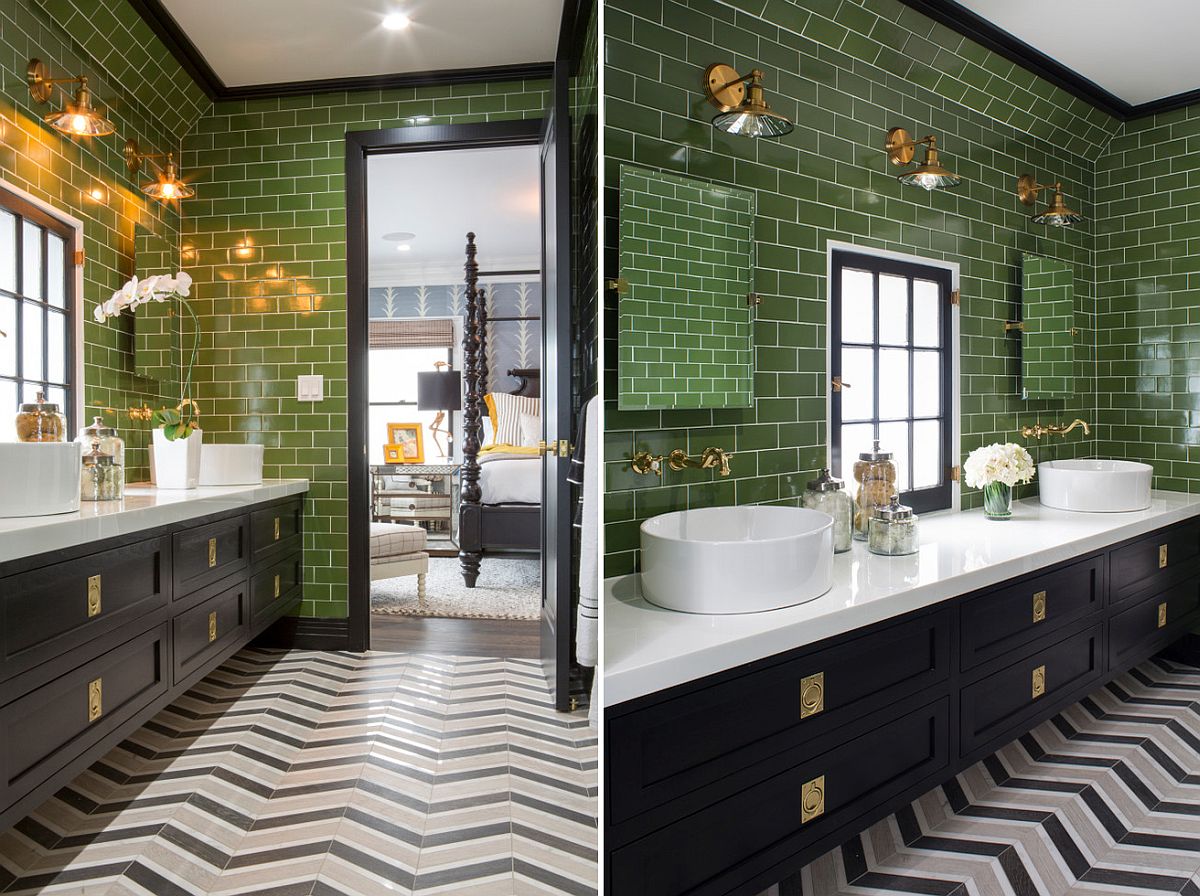
Source: decoist.com
A green bathroom, while stunning in isolation, truly shines when it harmonizes with the surrounding spaces of your home. Disconnected design can feel jarring and disjointed, diminishing the overall aesthetic appeal. Achieving a cohesive design means ensuring the bathroom doesn’t exist as an island but rather flows seamlessly into bedrooms, hallways, and living areas, creating a unified and welcoming atmosphere.
This requires careful consideration of color palettes, design styles, and the overall narrative you want your home to tell.The importance of a consistent color palette and design style cannot be overstated. A home should feel like a curated collection, not a series of random rooms. When incorporating green into a bathroom, consider the existing color scheme of adjacent spaces. If the bedroom features warm neutrals and natural wood tones, a green bathroom with similar undertones – perhaps a sage green or olive – will feel much more integrated than a vibrant emerald green.
Similarly, if the hallway boasts cool grays and blues, a softer, more muted green would be a better choice. The design style should also align. A modern, minimalist bathroom with clean lines won’t mesh well with a Victorian-style bedroom filled with ornate details.
Planning a Cohesive Design Scheme: A Flowchart Approach
A structured approach is vital for ensuring a cohesive design. The following flowchart Artikels the key steps involved in planning a green bathroom that integrates seamlessly with adjacent spaces. This process emphasizes iterative refinement and constant evaluation of how elements interact.[Flowchart Illustration: A visual representation of the following steps. Imagine a flowchart with boxes and arrows connecting them. The boxes are numbered sequentially.
The flowchart begins with “Initial Assessment of Existing Home Style & Color Palette” and ends with “Final Design Review & Implementation”.]
1. Initial Assessment of Existing Home Style & Color Palette
Begin by thoroughly analyzing the existing style and color palette of your home, particularly the spaces adjacent to the bathroom. Note dominant colors, materials, and design elements. This establishes a baseline for your design decisions.
2. Define the Desired Mood & Aesthetic
Determine the overall mood and aesthetic you want to achieve in the bathroom. Do you envision a tranquil spa-like retreat, a vibrant and energizing space, or something else entirely? This guides your choice of green tones and complementary elements.
3. Select a Green Tone & Undertone
Choose a specific shade of green that complements the existing color palette and aligns with the desired mood. Consider the undertones – warm greens (yellow-based) work well with warmer spaces, while cool greens (blue-based) suit cooler environments.
4. Identify Complementary Colors & Materials
Determine colors and materials that will harmonize with the chosen green. Neutrals like white, gray, beige, and wood tones are often excellent choices. Consider textures like natural stone, wood, and linen to add depth and visual interest.
5. Develop a Mood Board
Create a mood board that visually represents the proposed design, including color swatches, material samples, and inspirational images. This helps to visualize the overall look and feel.
6. Assess Adjacency & Flow
Evaluate how the bathroom will connect to adjacent spaces. Consider sightlines, doorways, and the transition between rooms. Ensure the design creates a sense of flow and continuity.
7. Iterative Refinement & Adjustments
Review the design in relation to the adjacent spaces. Make adjustments as needed to ensure a cohesive and harmonious look. This may involve tweaking the green tone, altering the color palette, or modifying the materials.
8. Final Design Review & Implementation
Conduct a final review of the design to ensure all elements work together seamlessly. Once approved, proceed with implementation, paying close attention to detail and ensuring accurate execution.
Color Harmony and Transition
Creating a smooth transition between the bathroom and adjacent spaces is crucial. This can be achieved through several techniques. One approach is to use a shared accent color. If the bedroom features a subtle teal accent, incorporating a similar shade in the bathroom – perhaps in towels or artwork – creates a visual link. Another strategy is to use a gradient of green.
For example, a bedroom with a light sage green wall could transition to a slightly deeper olive green in the bathroom, creating a sense of depth and flow.Consider the flooring. Using a similar flooring material in both the bathroom and the adjacent hallway can create a strong visual connection. For instance, if the hallway features light wood flooring, incorporating a wood-look tile in the bathroom can bridge the gap.
- Shared Materials: Using the same or similar materials, like marble or wood, in both spaces creates a visual link.
- Color Echoing: Repeating a key color from the bedroom in the bathroom, even in small doses, fosters cohesion.
- Transitional Elements: A strategically placed rug or piece of artwork can act as a bridge between the two spaces.
Maintaining Design Consistency
Beyond color, maintaining consistency in design style is equally important.
“A cohesive home tells a story; each room contributes to a unified narrative.”
If the home embraces a modern aesthetic, the bathroom should reflect that style, even if it incorporates green. Avoid introducing elements that clash with the overall design theme. For example, a farmhouse-style bathroom would feel out of place in a sleek, contemporary home.
- Furniture Style: Ensure the bathroom vanity and other furniture pieces align with the style of furniture in adjacent rooms.
- Hardware & Fixtures: Consistent hardware finishes (e.g., brushed nickel, matte black) contribute to a unified look.
- Lighting Style: Choose lighting fixtures that complement the overall design aesthetic.
Considering Architectural Style
The architectural style of your home significantly influences how a green bathroom integrates. A Victorian home might benefit from a deep emerald green paired with ornate details, while a mid-century modern home could showcase a softer, more muted green with clean lines.
Architectural Style Green Tone Recommendation Complementary Elements Victorian Deep Emerald, Forest Green Ornate details, antique brass fixtures, dark wood Mid-Century Modern Sage Green, Olive Green Clean lines, natural wood, geometric patterns Coastal Seafoam Green, Mint Green Light wood, white accents, nautical-inspired decor Final Wrap-Up
Designing a green bathroom is more than just a trend; it’s a chance to create a sanctuary that nurtures your well-being and connects you to the natural world. By understanding the historical context, psychological nuances, and practical considerations we’ve explored, you can confidently navigate the design process and create a space that is both beautiful and functional. Whether you’re drawn to a classic Victorian aesthetic or a sleek contemporary look, incorporating green thoughtfully can elevate your bathroom into a true oasis of calm and rejuvenation.
So, embrace the power of green and transform your bathroom into a refreshing escape!
FAQ Explained
What’s the best shade of green for a small bathroom?
Lighter, brighter greens like mint or seafoam can help make a small bathroom feel more spacious and airy. Avoid dark, saturated greens which can visually shrink the space.
Can I mix different shades of green in my bathroom?
Absolutely! Layering different shades of green can create depth and visual interest. Just be sure to maintain a cohesive palette and avoid clashing tones. Consider using a dominant green with accent shades.
How do I prevent a green bathroom from looking dated?
Avoid overly-themed decor and dated patterns like avocado green tile. Opt for clean lines, modern fixtures, and a balanced color palette with complementary neutrals like white, gray, or wood tones.
What kind of lighting is best for showcasing green colors?
Warm-toned lighting (around 2700-3000K) can enhance the richness and warmth of green tones, while cooler lighting (4000-5000K) can make them appear more vibrant and crisp. Experiment to see what you prefer.
Are there any eco-friendly tile options for a green bathroom?
Yes! Look for recycled glass tile, porcelain tile made with recycled content, or natural stone like slate or travertine. Also consider low-VOC grout and sealants.
How can I incorporate natural wood into a green bathroom?
Wood vanities, shelving, or even a small wooden stool can add warmth and texture. Consider using sustainably sourced wood like bamboo or reclaimed wood.
